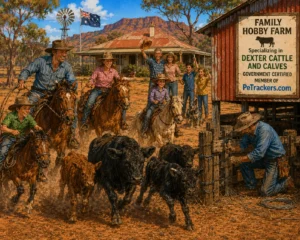




Calf as a Pet
Considerations before Commitment
Raising a healthy Calf requires strict attention to three core pillars: clean housing, high-quality nutrition, and constant access to fresh water – master these elements and provide the foundational colostrum, and your calf will have the best start for optimal growth.

- Calf Housing Requirements
Calf as a Pet
Calves require a clean, dry, and draft-free environment:
- Space Requirements for a Pet Calf:
- Each calf needs about 1.5 m² of space
- For Calf group pens, limit to 10–12 calves’ maximum
- Bedding for a Pet Calf:
- Provide deep, clean, and dry bedding (usually straw)
- So the calves’ feet cannot be seen when they are standing
- This keeps the Calf warm
- Reduces the risk of disease
- Ventilation vs. Draft for your pet Calf:
- Air should be able to move continuously
- At high levels in the barn
- There should be no drafts at the calf’s level
- If using individual hutches – place them facing a southern exposure
- For more sunlight and less crosswind
- Land Requirement for your Pet Calf:
- Calves need adequate pasture for grazing
- A general rule of thumb is about 1 to 2 acres of pasture per animal – or at least 1 acre of pasture per cow
- If you are considering a smaller breed
- Fencing for your pet Calf:
- Ensure your fences are strong
- Ensure your fences are well-maintained
- Ensure your fences are secure
- Avoid barbed wire if possible to prevent injury.
A successful hobby farm experience requires careful planning across several key areas
- Food and Milk Requirements
Calf as a Pet
A calf’s diet changes significantly from birth to weaning, prioritizing early stomach (rumen) development.
- Colostrum for your pet Calf:
- Colostrum is the first form of breastmilk that is released by the mammary glands after giving birth – it is nutrient-dense and high in antibodies
- Newborn calves must receive high-quality colostrum (their mother’s first milk) immediately
- Ideally within 2 to 6 hours of birth
- Calves should consume about 4 liters within their first 12 hours of life
- Liquid Diet for your pet Calf:
- After the colostrum stage – calves need to be fed 10% to 20% of their body weight in milk or high-quality milk replacer daily
- The liquid feed should contain around 20–26% protein and 15–20% fat
- Starter Grain for your pet Calf:
- Introduce a palatable, low-fiber, textured calf starter within a few days of birth
- The combination of grain and water starts fermentation in the rumen
- Which is crucial for early, healthy development
- Water Requirements
For your pet Calf
Water for your pet Calf is critical for encouraging dry matter intake and promoting proper digestion.
- Free Choice for your pet Calf:
- Clean, fresh drinking water should be offered right from day one after each milk feeding
- Water Temperature:
- Young calves prefer warm water
- Water Placement:
- Position water and feed buckets/troughs outside the immediate resting pen whenever possible
- This keeps the bedding clean and prevents manure or urine from contaminating their food and water
- Rearing and Safety
For your pet Calf
Raising a calf is intense daily work:
- Hand-Rearing (Bottle Calves):
- Raising a newborn “bucket” or bottle calf requires extensive, around-the-clock commitment in the first few weeks
- A Calf must be fed high-quality colostrum in their first 24 to 30 hours – followed by milk and calf starter
- Unexpected Dangers for your pet Calf:
- Even a very friendly, hand-raised pet can inadvertently cause serious injury
- Because of the Calf’s size and herd dynamics
- Calves may inadvertently push or shove humans when seeking attention
- Never turn your back on a calf
- Be extremely careful when children are interacting with a calf
Proper air quality and ventilation are essential to prevent the buildup of harmful ammonia gases
- Buying the Right Calf
For a Pet Calf
Buying a calf as a pet can be a rewarding experience for children, but it is a much bigger commitment than many families expect – before bringing a calf home – a parent/guardian should carefully consider the following points:
- Where to purchase your pet Calf:
- Do not buy calves from sale barns or auctions
- A calf purchased there are often commingled
- Calf may come with a high risk of illness or disease
- Always seek out a local breeder
- A Breeder well-tended, healthy herd of calves and cattle
- Health Check for your pet Calf
- Always ask for vaccination records
- Always perform a quick check before taking a calf home
- Calf the eyes should be bright
- Calf nose clean
- Calf walk sound
- The Calf should be alert and with the group
- Calf Breed Selection
Your pet Calf
Be wary of “miniature” breeds that are sometimes heavily inbred or simply poorly bred to cash in on the “cute” factor:
- Full-sized docile breeds like Herefords are great family animals
- While Dexters are a naturally established smaller breed
With proper care, a well-socialized calf can become a friendly, memorable companion and provide children with valuable lessons in responsibility, patience, and kindness toward animals.
- The Herd Mentality – Buy in Pairs
Your Pet Calf
Livestock are highly social animals:
- Keeping a single calf alone can lead to
- Keeping a single calf alone can lead to severe stress
- Keeping a single calf alone can lead to depression
- Keeping a single calf alone can lead to and dangerous behaviors
You should plan to purchase at least two calves to keep each other company, even if they act as pasture pets.
- Benefits of Raising a Calf
Your Pet Calf
- Owning a pet Calf Teaches Responsibility
- Children can help with feeding
- Children can help with grooming
- Children can help with cleaning
- Children can help with health checks.
Encourages daily routines and commitment
- 2. Gentle and Affectionate:
- Bottle-raised calves often become friendly
- Bottle-raised calves enjoy human interaction
Many calves develop strong bonds with their families.
- 3. Educational Experience:
- Children learn about animal care
- Children learn about agriculture
- Children learn about biology
- Children learn about where food comes from
Great opportunity to develop respect for animals
A pet Calf can be a wonderful addition to a hobby farm, but it is important for a family to understand both the benefits and responsibilities before bringing one home.
Your Emergency Photos/Video on
PeTrackers.com
Made it Easier to Find
And Quicker to Reunite
Your lost Pet Calf
To You Safely