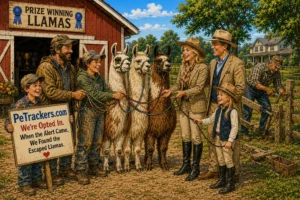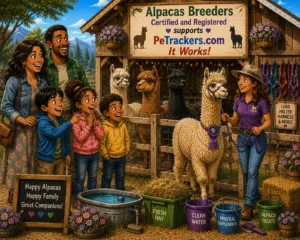



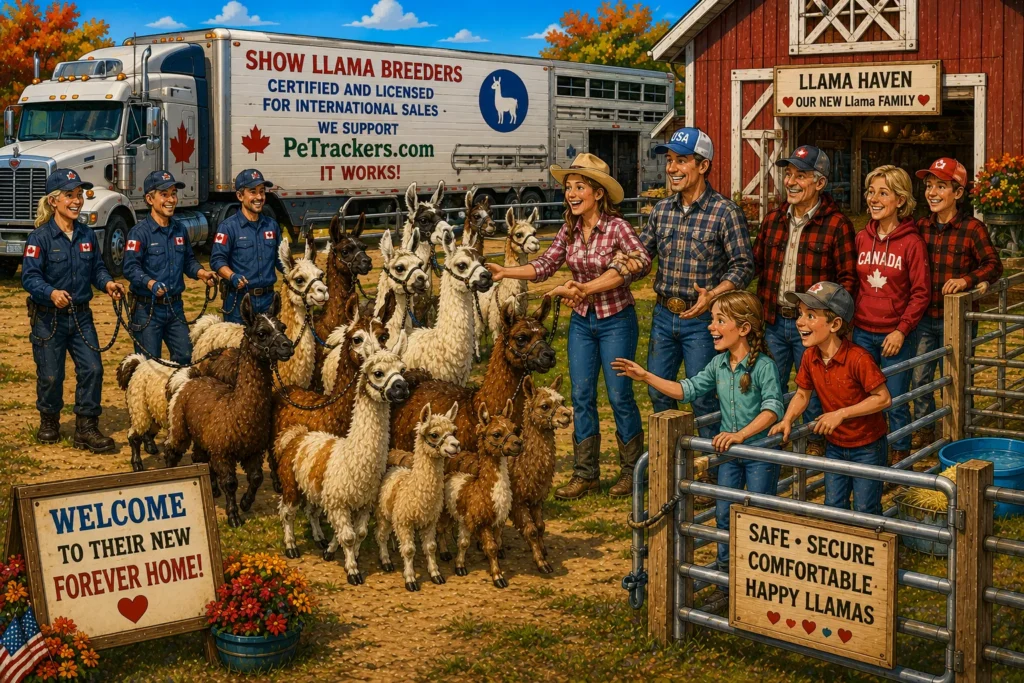
Llama as a Pet
Considerations before Commitment
Caring for a Llama requires a few basic essentials – a sturdy three-sided shelter – an unrestricted, species-appropriate diet of grass hay – a constant supply of clean, fresh water.
- Housing Requirements
Llama as a Pet
Llamas are herd animals and are happiest with another llama or compatible livestock companion.
- Space for your pet Llama:
- Llamas need ample room to roam
- Llamas requiring 1 to 2 acres of pasture space per adult animal
- Shelter for your pet Llama:
- A simple three-sided barn or loafing shed is ideal to protect them from wind
- A simple three-sided barn or loafing shed is ideal to protect them from rain
- A simple three-sided barn or loafing shed is ideal to protect them from snow in the winter
- A simple three-sided barn or loafing shed is ideal to protect them from intense sun in the summer
The shelter’s roof should be high enough – at least 6–7 feet – for your pet Llama to stand upright comfortably
- Bedding for your pet Llama:
- Provide clean, dry straw for your pet Llama
- Avoid wood shavings or wood chips as they tend to stick in their dense fleece.
- Enrichment for your pet Llama:
- Include flat, dust-filled or sandy areas in your pet Llamas enclosure where they can roll and groom themselves
A single pet Llama can become lonely and stressed.
- Fencing for Security
For your pet Llama
Use a 4-to-5-foot high, woven wire, fixed-knot fence to keep your pet Llama secure and safe from predators.
- Secure fencing is essential
- Fences should be tall and sturdy enough to prevent escapes
- Check gates regularly
- Avoid barbed wire fencing, which can cause injuries
- Food Requirements
For your pet Llama
Llamas are herbivores:
- Primary Diet for your pet Llama:
- Llamas are herbivores
- Llamas and should consume high-quality grass hay – such as Timothy hay
- Lamas need to eat about 2% to 3% of their body weight daily in dry matter
- Pasture for your pet Llama:
- Lamas can graze on fresh grass
- Pastures should be rotated to prevent overgrazing and the ingestion of parasites
- Grains & Minerals for your pet Llama:
- Llamas generally do not need grain
- Except when pregnant, lactating, or dealing with poor pasture conditions in winter
- A specific, safe mineral/salt supplement made for camelids – like sheep minerals – should be provided, as high levels of copper can be deadly to Llamas
- What to Avoid for your pet Llama:
- Do not feed your pet Llama alfalfa hay
- Alfalfa hay is too rich for your pet Llama
- Alfalfa hay can cause obesity or kidney problems
- Do not feed your pet Llama sweet feed
- Do not feed your pet Llama goat feed
A Llama as a Pet can be an excellent hobby-farm companion for a family that enjoys caring for animals and spending time outdoors – families who provide companionship, proper shelter, veterinary care, and gentle handling often find llamas to be entertaining, affectionate, and rewarding members of the farm.
Toxins
Your pet Llama
- Ensure your pet Llama’s feeding area is clear of toxic plants
- Ensure your pet Llama’s feeding area is clear of foxglove
- Ensure your pet Llama’s feeding area is clear of certain honeysuckles – other weeds
- Veterinary Care
Your pet Llama
Plan for your pet Llamas expenses:
- Annual health examinations
- Vaccinations recommended in your area
- Parasite control
- Toenail trimming
- Emergency veterinary expenses.
Before purchasing your pet Llama, locate a veterinarian experienced with camelids.
- Training and Handling
- Your Pet Llama
A well-handled pet Llama should:
- Lead on a halter
- Allow basic grooming
- Accept Veterinary examinations
- Be comfortable around people.
Ask the breeder to demonstrate handling before purchase.
- Children Responsibilities
Your pet Llama
Llamas can be excellent around respectful children if:
- Children are taught not to chase or corner your pet Llama
- An adult must supervise all interactions
- Show children how to approach calmly and quietly.
Never allow rough play.
- Why Families Like Llamas
Your pet Llama
Generally Llamas are calm, intelligent, and curious animals:
- Llamas can form strong bonds with people when handled gently
- Llamas require less feed than many larger livestock animals
- Llamas often make excellent pasture companions
- Llamas can be trained to lead on a halter
- Llamas can be trained to participate in fairs or farm events
- Llamas soft fleece can be collected and used for crafts
- Long-Term Commitment
Your pet Llama
A llama may live 15–25 years or more – you must consider and budget for:
- Future feed costs daily
- Veterinary costs can be expensive
- Farm maintenance
- Farm insurance
You must consider family lifestyle that may change in the future.
- Questions to Ask the Breeder
Your pet Llama
- How old is the Llama
- Has the Llama been handled regularly
- Is this Llama friendly with children
- What vaccinations has this Llama received
- Has this Llama been halter-trained
- Has this Llama ever shown aggressive behavior
Can health records be provided by the breeder of Veterinarian.
The best first llama for a family is usually a calm, well-socialized adult from a reputable breeder rather than a very young animal that still requires extensive training.
Your Emergency Photos/Video on
PeTrackers.com
Made it Easier to Find
And Quicker to Reunite
Your lost Pet Llama
To You Safely