
Mini Horse as a Pet
Considerations before Commitment
- Housing and Space Requirements
Mini Horse as a Pet
Miniature Horses are highly resilient but still need reliable protection from harsh weather like rain, wind, sun, and snow.
- Shelter for your pet Mini Horse:
- A three-sided run-in shed, old horse trailer, or small barn (roughly 6 ft × 8 ft to 8 ft × 8 ft per mini) is ideal
- The Mini Horse shelter must be large enough so that all horses in the herd can comfortably fit together
- And the Mini Horse shelter must be large enough so no Mini Horse can be bullied out
- Space for your pet Mini Horse:
- Provide a minimum of ¼ to ½ acre of land per Mini Horse
- Fencing for your pet Mini Horse:
- Fences should be sturdy and scaled to your Mini Horse size
- Many owners use wooden fencing, PVC, or specific no-climb horse wire
- Avoid barbed wire
Miniature Horses require scaled-down but fundamentally similar care to full-sized horses.
- Food and Diet Requirements
Your Pet Mini Horse
Miniature horses have highly efficient metabolisms (“thrifty genes”) and can easily become obese – develop conditions like laminitis and equine metabolic syndrome.
- Forage Food for your pet Mini Horse:
- The bulk of your Mini Horse diet should be high-quality, low-sugar grass hay
- The bulk of your Mini Horse diet should not be rich, pure alfalfa
- Min Horses eat about 1.5% to 2% of their body weight in total food daily (about 3 to 5 lbs of hay per day)
- Weighing Hay for your pet Mini Horse:
- Never feed your pet Mini Horsey the scoop
- Weigh your hay on a scale to keep your pet Mini Horse at an ideal body condition score
- Where you can feel your pet Mini Horse ribs – but not see them
- Grazing for your pet Mini Horse:
- Because lush spring grass is high in sugars
- Restrict pasture access or use a grazing muzzle to prevent overeating
- Supplements and Minerals for your pet Mini Horse:
- Forage alone often lacks vital nutrients for your pet Mini Horse
- Add a comprehensive vitamin and mineral supplement or balancer to avoid deficiencies for your pet Mini Horse
- Always provide access to a trace mineral salt block for your pet Mini Horse
- Water Requirements
For your pet Mini Horse
Water is critical for daily survival and digestion.
- Fresh Supply for your pet Mini Horse:
- Mini Horses need continuous access to clean water
- Mini Horses need continuous access potable water
- Mini Horses drink at least 1 gallon per 100 lbs of body weight daily – about 3 to 5 gallons on average
- Troughs and Buckets for your pet Mini Horse:
- Whether you use a pasture stock tank or a stall bucket – ensure the water remains ice-free in the winter- aiming for 45 to 65 degrees Fahrenheit
- Water containers must be cleaned regularly
4.Daily Care Responsibilities
For your pet Mini Horse
A family with a pet Mini Horse should expect to provide:
- Fresh water available at all times
- Daily feeding
- Veterinarian health checks
- Manure cleanup
- Grooming several times per week
- Exercise and enrichment
- Regular veterinary and hoof care appointments.
Children can help – but adults must ensure these tasks are completed consistently.
- Mini Horses Need Friends
For your pet Mini Horse
A single Mini Horse can become lonely and stressed – consider:
- Purchasing two compatible Mini Horses
- Keeping your Mini Horse with another suitable equine companion
- Spending significant daily interaction time if only one Mini Horse is kept
Mini horses are herd animals.
- Can Your Family
Afford the Ongoing Costs
For your pet Mini Horse
Expect expenses for your pet Mini Horse:
- Hay and feed
- Veterinary care is expensive
- Vaccinations
- Deworming
- Farrier hoof trimming every 6–8 weeks
- Fencing and shelter maintenance
- Emergency veterinary expenses
- Insurances
The purchase price is usually one of the smaller costs over the Mini Horse’s lifetime.
- Can Your Family Commit for Decades
For your pet Mini Horse
A mini horse may be part of your family for 25 years or more.
- Children often lose interest as they grow older
- Consequently parents should be prepared to take responsibility long-term
- Why Families Love Mini Horses
For your pet Mini Horse
Mini horses are often:
- Friendly and people-oriented
- Easier to handle than large horses
- Intelligent and trainable
- Long-lived – often 25–35 years
- Suitable for grooming
- Suitable for obstacle courses
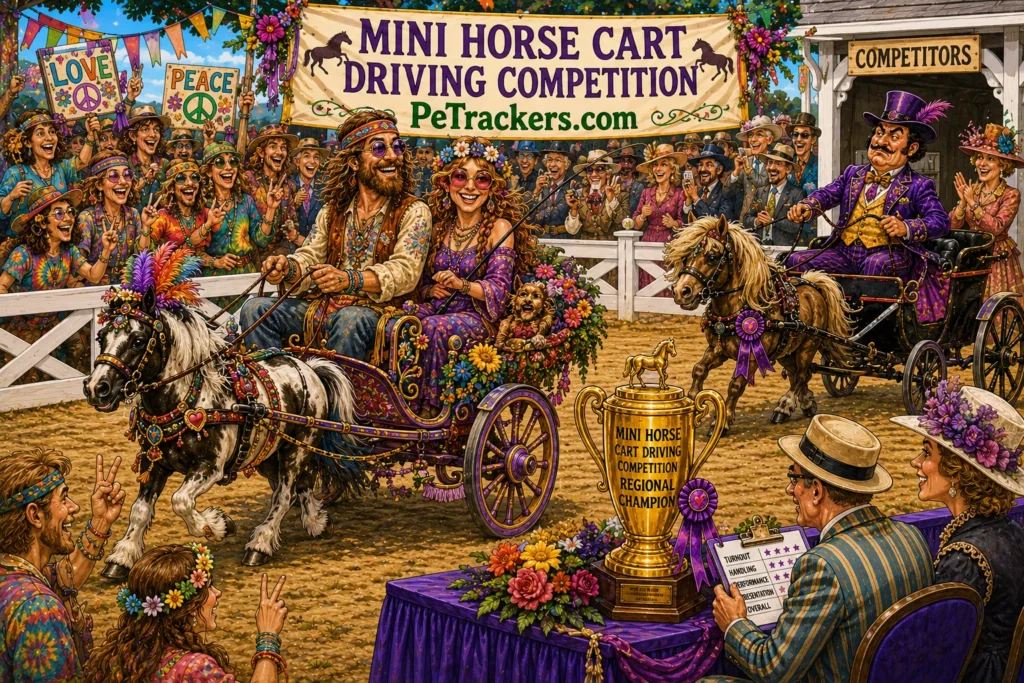
- Suitable for cart driving
- Suitable for family activities
Mini Horses are less intimidating for children than full-sized horses – however, Mini Horses still require daily care – training – and supervision.
- Safety Around Children
For your pet Mini Horse
While around/near your Mini Horse children should respect:
- Proper Mini Horse handling techniques
- Never run behind a horse
- Always be supervised by an adult/responsible person
- Learn how to lead
- Learn how to groom
- Learn how to care for the Mini Horse respectfully
A mini horse is gentle – but it can still kick – bite – accidentally step on someone if startled.
- Choosing the Right Mini Hors
For your pet Mini Horse
Look for a Mini Horse that is:
- Calm temperament
- Healthy weight
- Clear eyes and nostrils
- Good hoof condition
- Friendly response to people
- A reputable breeder or seller willing to answer questions.
Avoid purchasing solely because a horse is cute or inexpensive.
- Benefits for Children
For your pet Mini Horse
A well-cared-for Mini Horse can teach:
- Responsibility
- Patience
- Compassion
- Animal husbandry skills
- Confidence and leadership
Many children develop lifelong interests in agriculture and animal care through their first mini horse.
- A Good First Step
For your pet Mini Horse
Before purchasinga Mini Horse:
- Spend time visiting a local breeder
- Spend time visiting a hobby farm
- Spend time visiting a miniature horse club
- Let the children help groom and handle mini horses first
- This experience often reveals whether the family is ready for the commitment.
A miniature horse can be an outstanding hobby-farm pet, but the happiest outcomes occur when the family plans for proper housing, companionship, veterinary care, and long-term responsibility before bringing one home.
A miniature horse can be a wonderful addition to a hobby farm, but it is important to understand that a mini horse is still a horse, not a small dog. They require daily care, proper facilities, training, and long-term commitment
Your Emergency Photos/Video on
PeTrackers.com
Made it Easier to Find
And Quicker to Reunite
Your lost Pet Mini Horse
To You Safely