



Geese as a Pet
Considerations before Purchasing any Geese
Keeping geese can be fun, for the correct owner personality, geese-keeping desire and space.
- Geese Behaviour and Temperament
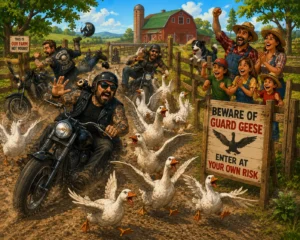
“Guard Geese”
Geese are Excellent Property Protectors
Against Stranger Illegal Entry/Invasion
Geese as a Pet
Geese have excellent eyesight, are intelligent birds, independent and can be aggressive:
- Geese parents will become aggressive to protect their young Goslings
- Geese are extremely territorial
- Greese are most aggressive during Spring nesting season
Geese signs of aggression:
- A stretched neck toward the invader
- Violent hissing
- Honking loudly flapping wings – avoid a Goose hitting you – it can cause pain/broken bones
Geese natural, innate aggression is a serious issue especially for:
- Innocent Children – supervise all children when around Geese
- Visitors and Delivery persons
How to Handle Territorial Geese:
- Do not run – Geese will chase you
- Stand your ground – this may take a certain amount of bravery
- Maintain eye contact with the Geese
- Back way cautiously and slowly until in a safe place
Note: Geese in our public parks may be particularly bold because they have lost their natural fear of humans – the Geese feel they own the park – territorial possession/protection.
- Geese Like and Need Wandering
Proper Land Roaming Space
Geese as a Pet
Geese need plenty of indoor and outdoor space:
Geese Indoor Shelter Needs:
- Proper security against predators – racoons, weasels/minks, foxes, coyotes, loose/feral dogs
- Shelter must be well ventilated – Geese health/comfort
- Shelter must be dry – rain proof
- Small low-roofed shed is best
Geese Outdoor Security:
- Proper fencing security against predators – racoons, weasels/minks, foxes, coyotes, loose/feral dogs
- Proper fencing against human entry – especially against child/children entry
- Minimum of 20-25 square feet/2-3 square meters per Goose – more space per Goose is far better
- Grassy area is best
The larger area for your Pet Geese to roam is best.
- Water Requirements
Geese as a Pet
Geese Drinking Water needs:
- Constant access to fresh, clean water for drinking
- Water must be deep enough to completely submerge a Gooses’ entire head up to the neck
- Deep water head dunks allow nostril (nares) cleanliness
Geese Bathing Water
- A kiddie’s pool may be utilized
- A larger pool/pond is preferable – especially during breeding season for mating
Considerations – Geese and Water
- Geese are messy fowl – they poo everywhere – you may consider cleaning the excrement away regularly
- Consider placing a layer of gravel around water sources to prevent an unsightly/unmanageable muddy mess
- Winter conditions demand a heating source to keep all water stations from freezing
- Potential bacterial exposure – wash hands with soap and water after handling anything to do with your pet Geese
Geese must have a continuous source of clean, potable water.
- Noise and Neighbourliness
Geese as a Pet
Geese honk loudly at will – but are totally obnoxiourly noisy if agitated – day or night:
Geese Ownership Considerations:
- Complaint to Municipal Authorities – potential noise citations/fines
- Stressed/angry neighbours/neighbourhood
- Escaped Geese may attack neighbours
Geese are best in a rural setting or on a large piece of personal home property.
- Food and Nutrition Requirements
Geese as a Pet
Geese Basic Diet and nutrition:
- Grass and Forage – 80-90% of a Goose’ diet should bee fresh grasses, weeds (dandelions, clover)
- Waterfowl Grains/Pellets – winter diet – cup per day per Goose of:
- Whole wheat
- Oats
- Barley
- Commercial waterfowl pellets
- Grit – insoluble grit (small stones/appropriate sand) – grinds their food internally – especially required if your pet Geese are not free-ranging
- Avoid-at-all-times a high protein diet – high-protein chicken starter and/or layer feed can cause issues kike “angel wing” – unless specially formulated for waterfowl
Seasonal Geese Feeding Guidelines:
- Spring/Summer – good access to pasture seldom require supplemental foods – seek advice from your Geese Veterinarian
- Fall and Winter – suggested supplemental feed – wheat, barley, hay (Timothy or orchard grasses)
- Breeding Season – extra calcium (oyster shells)
Geese Safe Treats – provided in moderation
- Vegetables – romaine lettuce, kale, broccoli, cabbage, peas, cucumbers
- Fruits – chopped apples,(without seeds), watermelon. Grapes
- Other foods – cooked rice, cooked pasta (without sauces)
Foods to Avoid Feeding your pet Geese:
- Avocado – toxic
- Onions/Garlic – toxic
- Spinach – depletes calcium in Geese
- Moldy foods – can be fatal
- Bread/Processed Foods – causes malnutrition and angel wing
Goslings Food Needs:
- First 3 weeks:
- High protein (20%) unmediated chick starter
- Specialized water fowl starter
- Specialized water fowl starter – with niacin (brewer’s yeast) added
- Weeks 3 – 6
- Switch to lower protein grower pellets
- Keep feeds moist with water for young goslings – aids in swallowing
If you notice any inconsistencies in the Geese, seek Veterinarian advice immediately.
- Veterinarian Access
Geese as a Pet
- You may need to find a:
- Avian animal specialist
- Farm animal specialist
- Ensure that you have access:
- To emergency care for your pet Geese
- To any required medications for your pet Geese
- Important: you must become familiar with basic Geese health monitoring
Never prolong medical aid hoping your Geese will heal themselves.
- Local Pet Geese
Municipal Laws
Geese as a Pet
It is your responsibility to know local Geese bylaws:
- Are there Geese owning restrictions or prohibitions in your area
- Note: Geese are not permitted by apartment rules
- Geese will not be permitted to graze in public areas – landscaping problems
Bottom line – Geese are best raised/kept in a farming/rural area.
Geese Ownership
Can be Genuinely Rewarding
Your Emergency Photos/Video on
PeTrackers.com
Made it Easier to Find
And Quicker to Reunite
Your lost Pet Geese
To You Safely