





Iguana as a Pet
Health and Medical
Plans of Action
Lizards are incredibly demanding Pets requiring spacious custom enclosure structures, have very strict dietary requirements and management and require dedicated socialization to avoid possible undesirable aggressive behaviour.
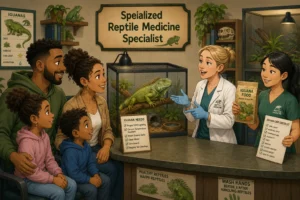
- Specialist Reptile Veterinarian
For your Pet Iguana
Iguanas are prone to nutritional metabolic disease and parasite infestation.
- Regular checkups with your Specialist Reptile Veterinarian must be scheduled – annual physical exam fecal exams, blood tests and radiographs
- Spading and neutering – prevents aggressive behaviour and reproductive diseses
- Your Specialist Reptile Veterinarian will explain Iguanas have complex needs
- Your Specialist Reptile Veterinarian will explain Iguana Nutritional counselling
- Your Specialist Reptile Veterinarian will explain Iguana Husbandry Counseling
- Your Specialist Reptile Veterinarian will explain Iguana Diagnostic services – parasites blood-work
- Your Specialist Reptile Veterinarian will explain Iguana Habitat counseling
It is essential that you follow your Specialist Reptile Veterinarian instructions precisely.
- Diet and Nutrition Requirements
Iguana are Herbivores
Profession advice from your Specialist Reptile Veterinarian is required:
- Consult Veterinarian for appropriate diet – herbivores
- 80-90% dark leafy greens – collard mustard turnip greens
- 10-15% other vegetables – squash bell peppers
- 8-10% fruit – papaya mango melon berries
- Calcium rich diet – Metabolic Bone Disease (MBD) bone soften/fracture/deformities
- Vitamin D3 Deficiency – weakness poor calcium absorption
- Avoid high oxalate foods – spinach beet greens – cause bind calcium absorption weakness
- Avoid excess phosphorus – processed pellets and cereals
- Avoid animal protein – crickets mice dog food – can cause kidney failure
- Fresh clean water daily – avoid dehydration
- Obesity – portion control for fruits and protein
Your Iguana depends on your care for nutritional balance for a healthy Pet.
- Dental Care
For your Pet Iguana
Iguanas have sharp, serrated teeth designed for slicing vegetation, not chewing.
- Specialize Veterinarian Teeth care – focusing on preventing mouth rot (stomatitis)
- Periodontal Disease
- Mouth Infections
- Abscesses – poor hygiene
It is essential that your pet Iguana has sufficient calcium and vitamin D3.
- Common Medical Condition
Possible for your Pet Iguana
Iguana medial problems are principally caused by improper temperature, low humidity, inadequate ultraviolet lighting and an improper diet.
- Respiratory issues – wheezing mucus lethargy
- Mouth Rot (Stomatitis) -swollen gums refusal to eat pus
- Egg-binding (Dystocia) – females life-threatening
- Gout/kidney disease – poor hydration uric acid buildup
- Obesity-related organ disease – fatty liver kidney issues
- Tremors due to lack of UVB light
- Avascular Necrosis – lack of humidity – shedding skin rings around digits/tail tissue death
- Stunted growth – inadequate enclosure poor nutrition
- Tail or Limb injuries trauma from falls fights improperly handling
Your pet Iguana requires constant monitoring for a healthy life as your pet.
- Reproductive Health
For your Pet Iguana
Your pet Iguanas reproductive health is dependent on a stress-free nesting environment, strict calcium and ultraviolet lighting to prevent egg-binding (dystocia) and spaying (ovarioslpingectomy) to eliminate these life-threatening risks entirely.
- Overbreeding – hormonal stress exhaustion increased aggression
- Nutritional Stress during Breeding – poor egg quality maternal illness
- Female Gravid – egg-binding (Dystocia)
Parthenogenesis Reproduction Female Iguana
- Female iguanas can reproduce without a male mate
- Produces Genetically identical offspring
Seek professional advice from your Specialist Reptile Veterinarian.
- Possible Allergies
For your Pet Iguana
Pet Iguanas rarely suffer from traditional environment allergies, iguanas can be highly sensitive to poor cage hygiene, dietary imbalances and low humidity.
- Allergies are rare but do occur
- Allergic Rhinitis
- Asthma
- Femoral Pore Secretions
Cleanliness is mandatory for your Pet Iguana.
- Parasites Possible for Infection
For your Pet Iguana
Iguanas frequently host/are infected with internal and external parasites.
- Internal and external – weight loss lethargy diarrhea
- Pinworms – diarrhea weight loss
- Roundworms – malnutrition and debilitation
- Mites – anemia and stress
- Ticks – on head and legs
- Protozoa – severe wasting and digestive issues
Ensure enclosure cleanliness and annual fecal exams.
- Joint Problems Possible
For your Pet Iguana
Joint problems are:
- Swollen stiff painful
- Metabolic Bone Disease (MBD) – calcium deficiency
- Articular Gout – high protein diet dehydration – uric acid buildup
Because these issues lead to rapid skeletal damage and kidney failure, immediately consult your Specialist Reptile Veterinarian for pain management and a precise medical diagnosis.
- Cancer Risks
For your Pet Iguana
Neoplasia in pet Iguanas if relatively rare but tumour do occure.
- Lymphoma
- Squamous Cell Carcinoma (SCC)
- Ovarian cancers – Teratomas Adenocarcinomas – non-healing wounds swellings skin lesions
- Chondrosarcoma
- Myosarcoma
- Osteosarcoma
If you observe non-healing wounds, unusual lumps or swellings, persistent abdominal swelling, sudden lethargy, weight loss or loss of appetite seek Specialist Reptile Veterinarian help immediately.
- Hygiene Skin Care and Grooming
For your Pet Iguana
Iguanas do not groom themselves.
- Humidity must be 70%-90%
- Misters/foggers are a must in their environment
- Large shallow water bowls help your Pet Iguana stay hydrated – promotes healthy shedding
- Your pet iguana should be soaked in lukewarm water regularly for hydration and loosening dead skin
- Skin infections/lesions -bacterial/fungal infections – poor hygiene injury
Do not force-peel your Iguana’s skin.
Your Pet Iguana will give You
Activity and Friendship
Your Emergency Photos/Video on
PeTrackers.com
Made finding your Lost Iguana
Quicker and Easier to Find
And Happily Return to You!