Puppy/Dog Proper Diet Nutrition
Obesity Avoidance
Puppies and Adult Pets
Work with a Professional
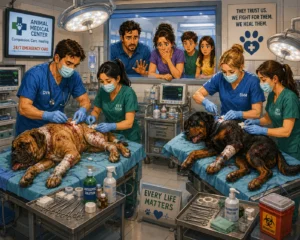
Whether you are a child, lady or gentleman, if you have never owned a pet dog, please seek advice from your local veterinarian on the best puppy/dog for you before buying.
- Proper Puppy/Dog Veterinarian Advice
Is a necessary Thing to Do
There are many considerations on obtaining the best pet dog for you personally.
- Your veterinarian can advise/direct you to the proper breeder to purchase your new pet from
- Your veterinarian will be able to inform/advise you on your dog choice breed-specific needs
- Your veterinarian will advise you on your dog breeds ideal weigh range.
- Your pet dog may require a special diet /special feeding recommendations if your dog has sensitivities
- Keep your dog reasonably free of pain and agony with regular checkups or as necessary/required
- You children dog owners can/should attend all veterinarian visits
Listen and ask questions. Learn from the professional veterinarian about caring for your pet dog.
- Choose the Correct/Proper Food/Diet for Your Pet Dog
Your personal pet veterinarian will suggest the proper food/diet to keep your puppy/adult dog healthy and happy
- The Vet will avoid low-quality fillers and will require/prioritize protein-rich formulas
- Your pet’s size, your breed’s specific nutritional requirements will be detailed by the Vet for your dog’s best life/performance
- Read food-container’s labels to ensure that the dog pet food inside is a complete and balanced nutritional food
Introduce new foods with your veterinarian’s advice and gradually over 7 – 10 days.
- Regular Pet Dog Feeding Routine is Mandatory
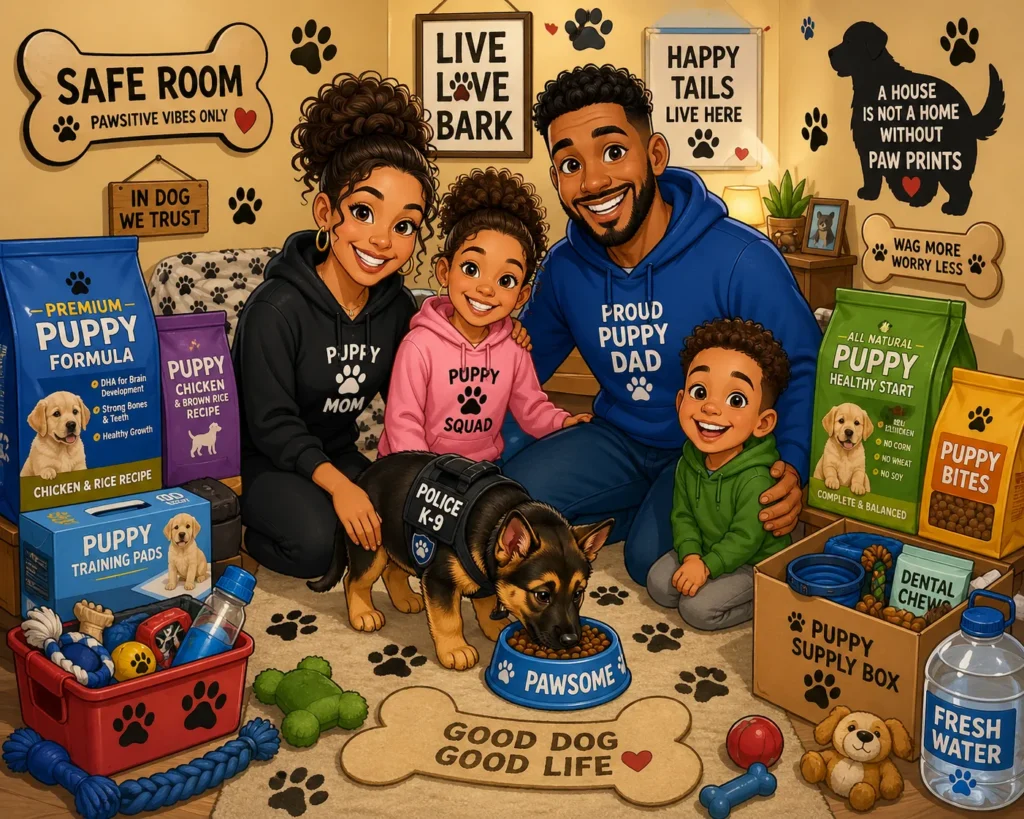
Always feed your pet dog at a consistent time of day.
- Puppies may require 3 – 4 meals per day or as Veterinarian’s advice
- Adult pet dogs may require 1-2 meals per day or as advised
Consistency is the rule for a happy puppy/dog.
- Obesity is Always a Pet Owner Problem!
- Obesity means your pet dog is fat!
- Obesity causes organ issues and joint problems
- Obesity affects a dog’s mobility.
- Obesity increases risk of heart disease and diabetes
Your dog is fat because:
- You did not maintain portion control – you put more feed than necessary in the dog bowl – measure food precisely
- Follow feeding guidelines on dog food package
- Never leave a bowl of food out all day/night for spontaneous munching
- Limit treats to 10% of daily calories – calculate calories don’t guesstimate!
- Choose healthy low-fat breed/species appropriate treats
- Monitor Pet Dog’s Weight Regularly
Weigh your pet weekly and track weight over time
- Adjust food proportions as required or on Veterinarian advice
- Maintain an appropriate activity level for your pet dogs breed, age, health and happiness.
- Your Pet Dog’s Hydration Requirements/Needs
Daily fresh water is absolutely necessary for all dogs.
- Wash your dog’s water bowl daily for health reasons
- It is important that you monitor any changes in your pet dogs drinking habits
- Consult your veterinarian’s advice for any major/noticeable/vomiting in drinking habits
- Watch for Your Pet Dog’s Digestive Issues
- If you find vomit or diarrhea from your pet dog, immediately seek Veterinarian checkup
- If your pet dog suddenly refuses to eat, or leaves a portion of their normal feed in the bowl go to the Vet’s for a checkup
- Dog do flatulent/fart
If it smells unusually obnoxious or if your pet dog has loose stools consult your veterinarian.
- Dog Diet Adjustments for Life Aging Stages
Puppies require far more calories and nutrients for body growth and health
- Adult dog pets require regular portion-controlled diets
- Senior Pets require low-calorie and/or a specialized diet.
Your Puppy/Dog will give You
Unconditional Love
Your Emergency Photos/Video
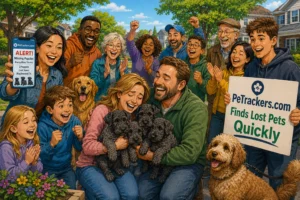
On Petracker.com
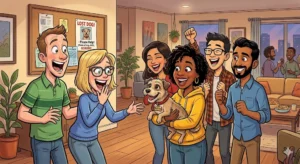
Made finding your Lost Puppy/Dog
Quicker and Easier to Find
And Happily Return to You!