


Spanish Greyhound as a Pet
Considerations before Commitment
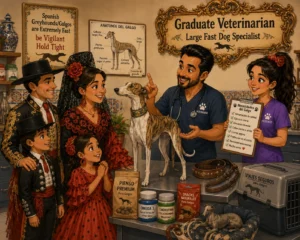
The Spanish Greyhound (Galgo Español) can make an exceptional, gentle, and quiet family pet – your primary challenges will be managing your Spanish Greyhound’s intense prey drive outdoors – and navigating potential trauma-induced sensitivities if you are considering adopting a rescue Spanish Greyhound.
- Initial and Ongoing Costs
Spanish Greyhound/Galgos as a Pet
Adoption and Transport Fees:
Most Spanish Greyhounds/Galgos are adopted through international rescues that transport them from Spain.
- What this investment includes:
- Spay/neuter
- Vaccinations
- Micro-chipping
- Blood work for Mediterranean diseases (e.g., Leishmaniasis).
- Spanish Greyhounds/Galgos Housing Needs Essential Home Setup:
Spanish Greyhounds/Galgos require very specific home gear, largely for comfort and safety.
Indoor Space:
- Despite their size, they are remarkably inactive indoors
- Spanish Greyhounds/Galgos do well in smaller homes
- So long as you provide a plush, comfortable dog bed
Outdoor Access:
- Yards must be secured with 5- to 6-foot fences
- Do not allow them off-leash in open unfenced areas
- Spanish Greyhounds/Galgos high prey drive and speed make them virtually impossible to recall
- Temperature Sensitivity:
- Because Spanish Greyhounds/Galgos have virtually no body fat
- Spanish Greyhounds/Galgos are highly sensitive to the cold
- Provide a warm fleece coat in the house during winter and a waterproof coat for the rain
- Orthopaedic/Padded Beds:
- Due to their thin skin and lack of fat
- Hard floors cause pressure sores
- You will need thick, supportive beds in the rooms where they hang out
- Weather Coats:
- You will generally need a fleece for the house
- A rain jacket
- A thick winter coat
- Spanish Greyhounds/Galgos Collars & Harnesses:
- Spanish Greyhounds/Galgos have narrow heads and slender necks
- Standard collars slip right off
- You need a wide, specialized martingale collar
- A secure harness to keep them safe on walks
- Raised Feeders:
- Elevated food
- Elevated water bowls
- More comfortable for their long necks and legs
- First Month Ongoing Costs:
- Food: High-quality, protein-rich kibble or specialized diets for active sighthounds
- Flea, Tick, and Heart-worm Prevention
- Toys & Treats
- Optional: Backyard Fencing
Because of their extreme prey drive and speed – most Spanish Greyhounds/Galgos rescues require you to have a secure, high-fenced yard – if you do not have a fence, you will need to plan for walks or trips to secure, enclosed dog park.
- Diet and Nutrition
Spanish Greyhound/Galgos as a Pet
Food Quality and Quantity Spanish Greyhounds/Galgos:
- Feed a high-quality, nutritionally balanced dry kibble
- Exact amounts depend on age and activity level
- Typically range from 2 to 3 cups of premium dry food daily (often split between morning and evening meals)
Bloat Prevention:
- Like all deep-chested breeds
- Spanish Greyhounds/Galgos are at risk of bloat (gastric torsion)
- Avoid vigorous physical activity immediately before or after meals
- Consider using elevated bowls if your vet recommends it
Sensitive Stomachs:
- Do not change their diet abruptly
- If you want to switch food brands
- Do so gradually over a period of at least a week
- By mixing the old and new food
Water Needs
Spanish Greyhound/Galgos as a Pet
Constant Access:
- Always leave a bowl of fresh, clean water available for your dog
Hydration Habits:
- Some Galgos are poor drinkers and lap slowly
- If you notice your dog isn't drinking enough
- Consider adding a high-quality wet food topper or a watery, low-sodium vegetable soup to their meals to increase their fluid intake
Their diet needs careful management to prevent digestive issues like bloat, and they require constant access to water.
- Often called “40-mph Couch Potatoes,”
Spanish Greyhound/Galgos as a Pet
Spanish Greyhounds/Galgos are famously lazy and docile inside the house, but Spanish Greyhounds/Galgos require specific management around young children and small animals.
Indoors Behaviour – a Spanish Greyhound requires an indoor-focused, low-activity housing environment with strict limits on off-leash activities.
- Spanish Greyhounds/Galgos act more like giant cats than traditional high-energy dogs
- Spanish Greyhounds/Galgos sleep up to 18 hours a day Spanish Greyhounds/Galgos
- Spanish Greyhounds/Galgos rarely bark
- Spanish Greyhounds/Galgos peacefully lounge on any available soft surface
Outdoors Behaviour:
- Spanish Greyhounds/Galgos are elite endurance athletes
- Spanish Greyhounds/Galgos do not need hours of jogging
- Spanish Greyhounds/Galgos do require a few short walks
- Spanish Greyhounds/Galgos require the opportunity to sprint at full speed a few times a week
- In a safely enclosed area
Safety and Management Checklist
Spanish Greyhounds/Galgos as a Pet
Prey Drive:
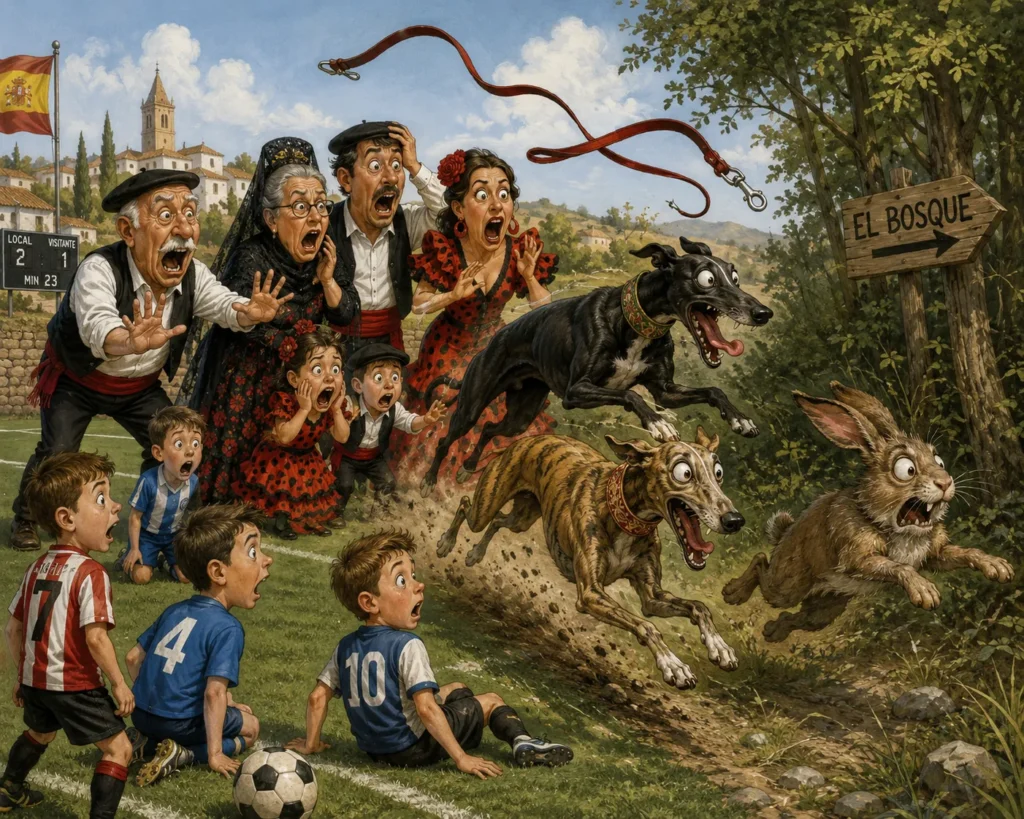
- Spanish Greyhounds/Galgos are sighthounds bred to hunt hares
- Spanish Greyhounds/Galgos will instantly bolt after squirrels, cats, or even small toy-breed dogs
- Off-leash time must strictly be confined to securely fenced areas with at least 5-to-6-foot barriers, as Spanish Greyhounds/Galgos are excellent jumpers
- Sleep Startle:
- Like many greyhounds, Spanish Greyhounds/Galgos can startle or snap if suddenly awoken from a deep sleep
- You must teach your children never to approach the dog while it is sleeping on its bed or the couch
- The “3-3-3” Rule:
- If rescuing a Spanish Greyhounds/Galgos, use the 3-3-3 decompression framework
- Expect 3 days of utter overwhelm
- Expect 3 weeks to learn your family routine
- Spanish Greyhounds/Galgos 3 months to truly feel secure and show their real personality
- Skin and Coat:
- Spanish Greyhounds/Galgos skin is remarkably thin and tears easily
- Spanish Greyhounds/Galgos possess very little body fat
- Spanish Greyhounds/Galgos get cold quickly
- Spanish Greyhounds/Galgos will require winter coats or fleece pajamas during chilly months
- Match the Dog to Your Lifestyle
Spanish Greyhounds/Galgos as a Pet
The majority of Spanish Greyhounds/Galgos outside of Spain are acquired through dedicated rescue organizations – because many Spanish Greyhounds/Galgos have histories of severe neglect or abuse by hunters, their temperaments can vary.
- The Best Option:
- Ask a rescue group for a Spanish Greyhounds/Galgos currently living in a foster home with children
- Foster parents can accurately verify if a specific dog is comfortable with the loud noises, sudden movements, and chaotic energy of a young household
- Age Consideration:
- Consider adopting a mature adult (aged 3 to 5+ years)
- Spanish Greyhounds/Galgos puppies and adolescents are incredibly high-energy, clumsy, and require intensive potty training
Your Emergency Photos/Video on
PeTrackers.com
Made finding your Lost Spanish Greyhound/Galgos
Quicker and Easier to Find
And Happily Returned to You