



Ragdoll Cat as a Pet
Considerations before Commitment
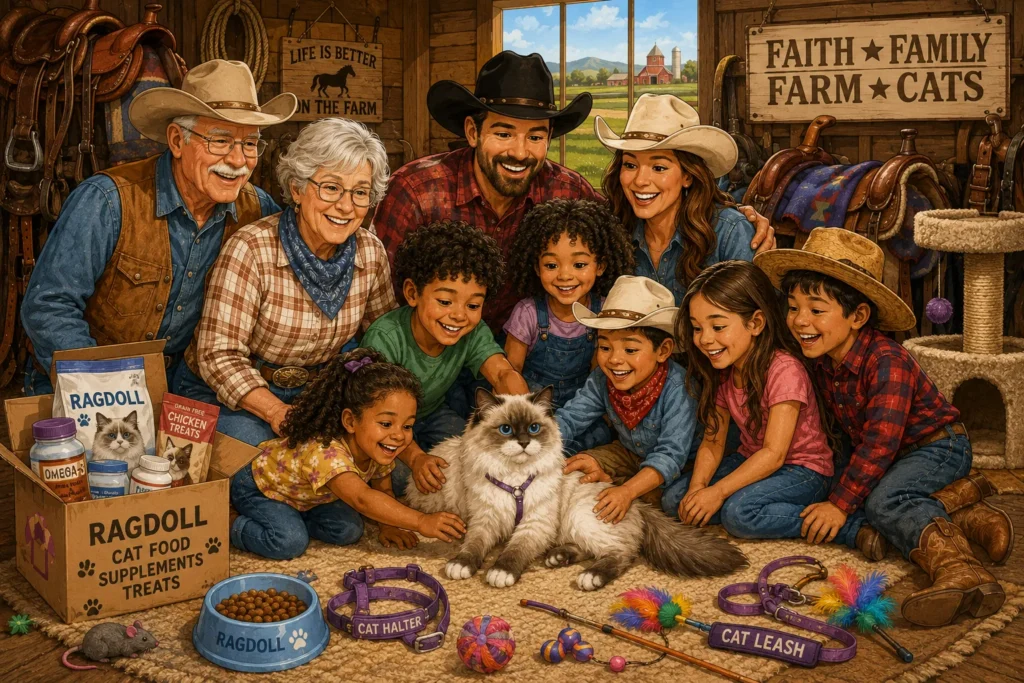
Ragdoll cats are large, affectionate, and docile felines famous for their striking blue eyes and silky coats – a Ragdoll can be an excellent family pet, but it’s important to understand both the advantages and responsibilities before bringing one home.

- Initial and Recurring Expenses
Budget before Purchase
Your Pet Ragdoll Cat
A Ragdoll is usually more expensive than many other cats.
Budget for:
- Purchase price
- Veterinary care ongoing regular checkups
- Quality food – Veterinarian suggested
- Cat litter – daily cleaning – regular replacement
- Scratching posts and cat trees – cat accessories and toys
- Pet insurance (optional but worth considering)
Veterinarian emergencies are expensive and must be budgeted for.
- Housing and Environment
Your Pet Ragdoll Cat
Ragdoll Cats tend to be trusting and are quite poor at protecting themselves outdoors.
- Strictly Indoor Pets:
- Because of Ragdoll Cats trusting, laid-back nature
- Lack of “street smarts,”
- Ragdolls must be kept indoors
- To protect them from predators and traffic
2. Vertical Spaces:
- Rag Doll Cats love to lounge
- Provide sturdy, wide-base cat trees
- Provide wall perches with ramps
- Ragdoll Cats are heavy build that makes high jumping difficult
- Safe Retreats:
- Set up cozy, enclosed cat beds
- Set up caves where they can retreat for quiet naps
- Grooming – Long-Haired Coat Care:
- Though not strictly about housing
- Ragdoll Cats semi-long coats need regular brushing to prevent mats
- Brushing several times per week
- More grooming during seasonal shedding
- Occasional mats if grooming is neglected
- Diet and Nutrition Requirements
Your Pet Ragdoll Cat
1.High Protein:
- Ragdoll Cats are large, muscular frame
- Ragdoll Cats require a diet that is over 50% animal proteins, around 20% fats, and less than 10% carbohydrates
- Slow Growth:
- Ragdoll Cats mature slowly
- Rag Doll Cats can grow until they are 4 years old
- Ragdoll Kittens often require specially formulated diets for an extended period – consult your Cat Veterinarian
- Portion Control:
- Ragdoll Cats have famously relaxed lifestyles
- Ragdoll Cats can become obese if overfed
- Monitor portion sizes closely
- Consider utilizing automated feeders if necessary
- Hydration:
- A mix of high-quality wet and dry food recommended by your veterinarian
- A mix of high-quality wet and dry food is best to support urinary and dental health
- Necessary Ragdoll Cat Enrichment
Your Pet Ragdoll Cat
- Mental Stimulation:
- Ragdoll Cats are highly intelligent
- Ragdoll Cats bond closely with their humans
- As a Ragdoll Cat owner you must keep keep their brains active
- Ragdoll Cats require 10-15 minutes of daily play using wand or feather toys
- Trick Training:
- Ragdoll Cats love food
- Ragdoll Cats can be easily clicker-trained to perform tricks like “high-five” or “spin”
- Food Puzzles:
- Use puzzle toys to satisfy your Ragdoll Cat’s foraging
- Use puzzle toys to prevent your Ragdoll Cat from eaing too quickly
- Best Family Situation
Your Pet Ragdoll Cat
Before purchasing, spend time meeting adult Ragdolls as well as kittens, since the adult personality is a better indicator of what living with the breed will be like for the next 12–18 years – A Ragdoll is often a great choice for:
- Families wanting an affectionate companion
- Households with gentle children
- People seeking an indoor cat
- Families willing to spend time interacting with their pet
A Ragdoll may be less suitable for families looking for a very independent pet that can be left alone most of the day.
- Ragdoll Cats are Good With Children
Your Pet Ragdoll Cat
Usually yes, provided children are taught:
- Not to pull tails or ears
- Not to chase or corner the cat
- To allow the cat quiet places to rest
Even the gentlest Ragdoll Cat needs opportunities to retreat when it wants privacy.
- Questions to Ask the Breeder
Your pet Ragdoll Cat
- Have the parents been health tested?
- Are kittens raised in a home environment?
- What vaccinations have been completed?
- Has the kitten been examined by a veterinarian
- Can you meet the mother cat?
- What health guarantee is provided?
Responsible Cat Breeders welcome questions and care where their kittens are placed in sensitive cat homes.
If your family wants a calm, affectionate, people-focused cat and is prepared for grooming, companionship, and indoor care, a Ragdoll Cat can be one of the most rewarding of family pets.
Your Emergency Photos/Video on
Petracker.com
Made finding your Lost Ragdoll Cat
Quicker and Easier to Find
And Happily Returned to You