




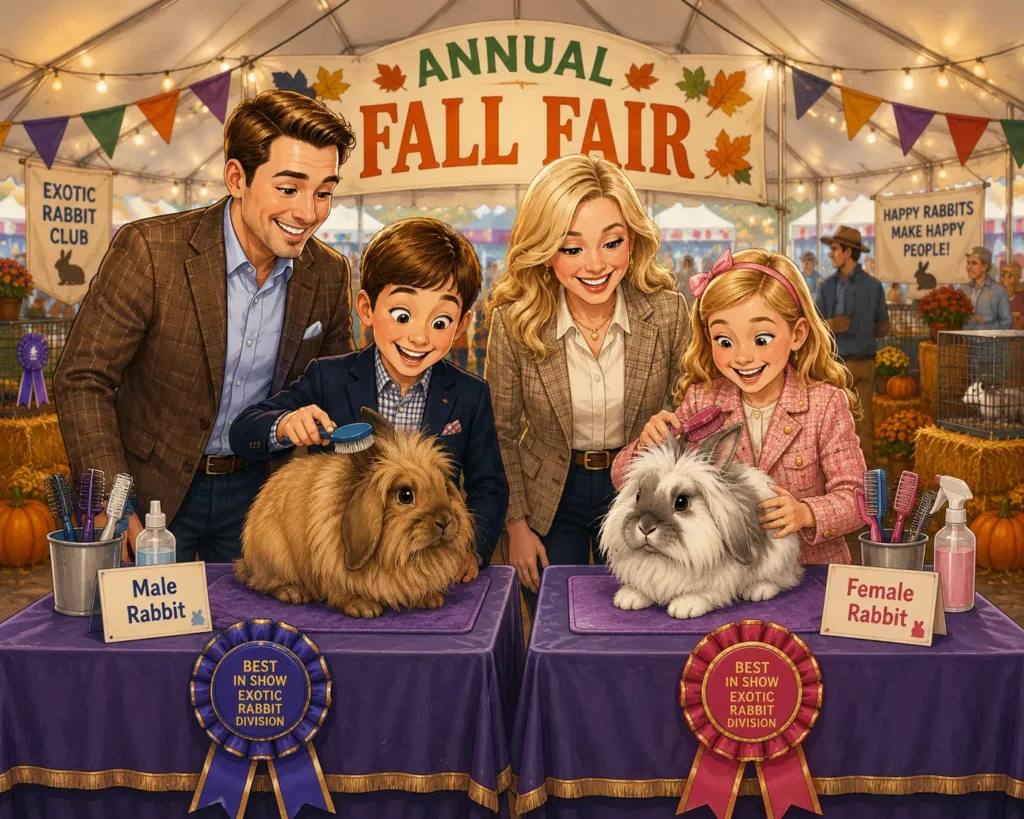
Rabbit as a Pet
Home Health and Medical
Plans of Action
Pet rabbits are a rewarding pet experience as they are quiet, full of personal personality and can bond with their owner – however rabbits are not low-maintenance pets.
- Time Commitment and Lifespan
Reality Check before Purchasing
Rabbits can live 8–12 years, or longer, demanding a serious long term commitment from the owner
- Rabbits are considered exotic pets
- You must create a relationship with a veterinarian with exotic pet qualifications
- Regular/expensive check-ups are a must for your pet rabbit’s health
- Rabbits are social animals – loneliness is a problem for a single rabbit
- You may require purchasing a bonded pair of rabbits thereby increasing your financial commitment
Take time to think it through if you are committed long-term, and are your kids committed long-term.
- Kids and Handling
Pet Rabbit
You must trin kids how to function/cautiously act around your new pet rabbit.
- Rabbits are ground-dweller – they intensely dislike being picked up
- Being lifted off the ground – make a rabbit feel like it is being grabbed by a predator
- Have kids leave your pet rabbit on the floor – encourage you rabbit to come to you
- Litter training – rabbits like to poo near where they eat – put fresh hay nearby for their use
- Many owners allow free-roaming in a room/house/apartment once the pet rabbit is potty/litter-trained
- Rabbits must be able to hop, stretch and stand up on their hind leegs
Over time you and your kids will create a mutual bond with your pet rabbit.
- Housing and Environment Rabbit
Necessities Required for your Pet Rabbit Comfort
You must consider the following for your pet rabbit’s comfort and well-being.
- Adequate cage size avoids muscle loss obesity and depression
- Unsafe flooring slippery floors cause joint issues
- Well-ventilated area
- Avoid direct sunlight no overheating
- Cover electrical cords
- Protect baseboards
- Provide hiding places
- Predator-proof cage
These necessities must be st up before bringing your pet rabbit home for the first time.
4, Hygiene Skin Care
Grooming Your Pet Rabbit
Rabbits require regular grooming
- Nail trimming
- Cleaning all area of the coat
- Regular brushing
You may require veterinarian help and advice.
- Diet/Nutrition for your Pet Rabbit
Avoiding Obesity Rabbit
Rabbits require a special diet.
- Unlimited hay
- Pellets (limit portion control) plain hay-grass based pellets
- Avoid mixed seed/nut blends
- Leafy greens daily romaine kale basil cilantro parsley carrot tops
- Treats (minimal) apple banana root vegetables
- Foods to avoid bread cereal seeds nuts iceberg lettuce chocolate all-dairy-products
- Never over-feed
An incorrect diet will create medical problems in your pet rabbit.
- Dental Care Requirements
For your Pet Rabbit
Consult you exotic Pet Veterinarian for a dental plan
- Malocclusion (misaligned teeth) genetic or trauma-related injury
- Overgrown Incisors – regular Vet checkups
- Molar Spurs sharp edges cause mouth pain ulcers
- Inadequate fiber Intake dental and gut issues
Your veterinarian will keep your pet rabbit home-healthy.
- Mental Health and Enrichment
For your Pet Rabbit
Rabbits are social animals and if left alone are prone to depression and require companionship.
- Improper handling causes injury – be caution
- Rabbits are territorial especially if not spayed/neutered
- Toys and untreated wood willow are required for chewing
- Foraging toys avoids boredom
- Exercise opportunities are essential
- Maintaining regular routines avoids stress
- Provide digging/foraging opportunities
Your happy rabbit will make you the owner and friend happy.
6.Behavior and Emotional Well-Being
For your Pet Rabbit
Your pet Rabbit will indicate its feelings.
- Rabbits can become Pellet Addicted if overfed pellet
- Leaping twisting blinking kicking indicate joy
- Flopping on side indicates contentment/security
- Nudging affection trust desiring attention
- Tooth Purring/Clicking relaxation while being petted
Watching your happy rabbit will give you joy and happiness.
- Stress and Fear
Create Poor Well-Being
In your Pet Rabbit
Our pet Rabbit will demonstrate instantly any stress or fear.
- Freezing still or hiding hunched position indicates pain/terrified
- Repetitive Behaviors biting cage bars circling over-grooming indicates mental distress/boredom
- Thumping with back feet indicates anger fear warning of danger
- Aggression biting nipping charging indicates pain/fear/territorial behavior
- Whale-Eye showing whites of eyes indicates fear
It is your responsibility as a pet Rabbit owner to provide a calm stress free environment.
- Veterinary Care
For your Pet Rabbit
Your exotic pet veterinarian is your friend helping keep your pet Rabbit healthy – at a price.
- Annual checkups or as required
- Spading/Neutering pet
- Head Tilt neurological emergency
- Sore Hocks (Pododermatitis) painful foot ulcers
- Obesity shortens lifespan dietary advice from Vet
- Urinary Sludge/Blatter Stones calcium buildup
A healthy pet Rabbit is a happy pet Rabbit.
- Common Medical Conditions
Pet Rabbits
As a pet Rabbit owner, it is your responsibility to regularly/daily check your pet Rabbit’s health.
- Bloating painful distension requires immediate veterinarian visit
- Gastrointestinal Stasis (GI) requires immediate veterinarian visit life-threatening slowdown of digestion
- Diarrhea usually in young rabbits – veterinarian visit can be fatal
- Snuffles (Pasteurella Multocida) sneezing nasal/eye discharge breathing difficulties
- Dehydration gut slowdown issues – daily clean fresh water
- Sudden diet changes gut floral disruption issues Veterinarian advice
- Heat Stroke temperatures over 77F/25Covergrown nails
- Ear infections
- Head Tilt neurological emergency
A good relationship with a pet Rabbit exotic pet veterinarian is a necessity – especially if an emergency arises.
- Allergies Possibly Affecting
Your Pet Rabbit
Your pet Rabbit is affected by your home environment.
- Perfume causing runny nose sneezing itchy eyes
- Incense causing runny nose sneezing itchy eyes
- Cigarette smoke causing runny nose sneezing itchy eyes
- Scented cleaning products causing runny nose sneezing itchy eyes
- Rabbit saliva/dander
- Hay they eat is full of dust/chaff
Allergy management hay alternative ritual cleaning routine air purifiers wearing protective gear may be a requirement.
- Parasites that may affect your Rabbit
Taking Action
Veterinarian help may be required.
- E, cuniculi (Encephalitozoon Cuniculi) causes severe neurological issues – head-tilting – hund limb weakness – urinary incontinence – eye issues
- Seek help immediately
- Viral Infections Rabbit
- VHD (Myxomatosis) highly contagious/fatal – vaccinations essential visit Veterinarian
- Joint Problems Rabbit
- Unsafe flooring slippery floors cause joint issues
- Cancer Risks Rabbit
- Uterine Cancer/Tumor common in unspayed females – spading is essential (4-6 months)
Rabbits can live 8–12 years, or longer, demanding a serious long term commitment from the owner.
Now that you have a direction on finding your new pet Rabbit, take time to find that perfectly chosen Rabbit pet. Do due diligence. Once you find that special Rabbit for you, get ready for a life-long friendship.
Your Pet Rabbit will give You
Unconditional Love
Your Emergency Photos/Video on
PeTrackers.com
Made finding your Lost Rabbit
Quicker and Easier to Find
And Happily Return to You!