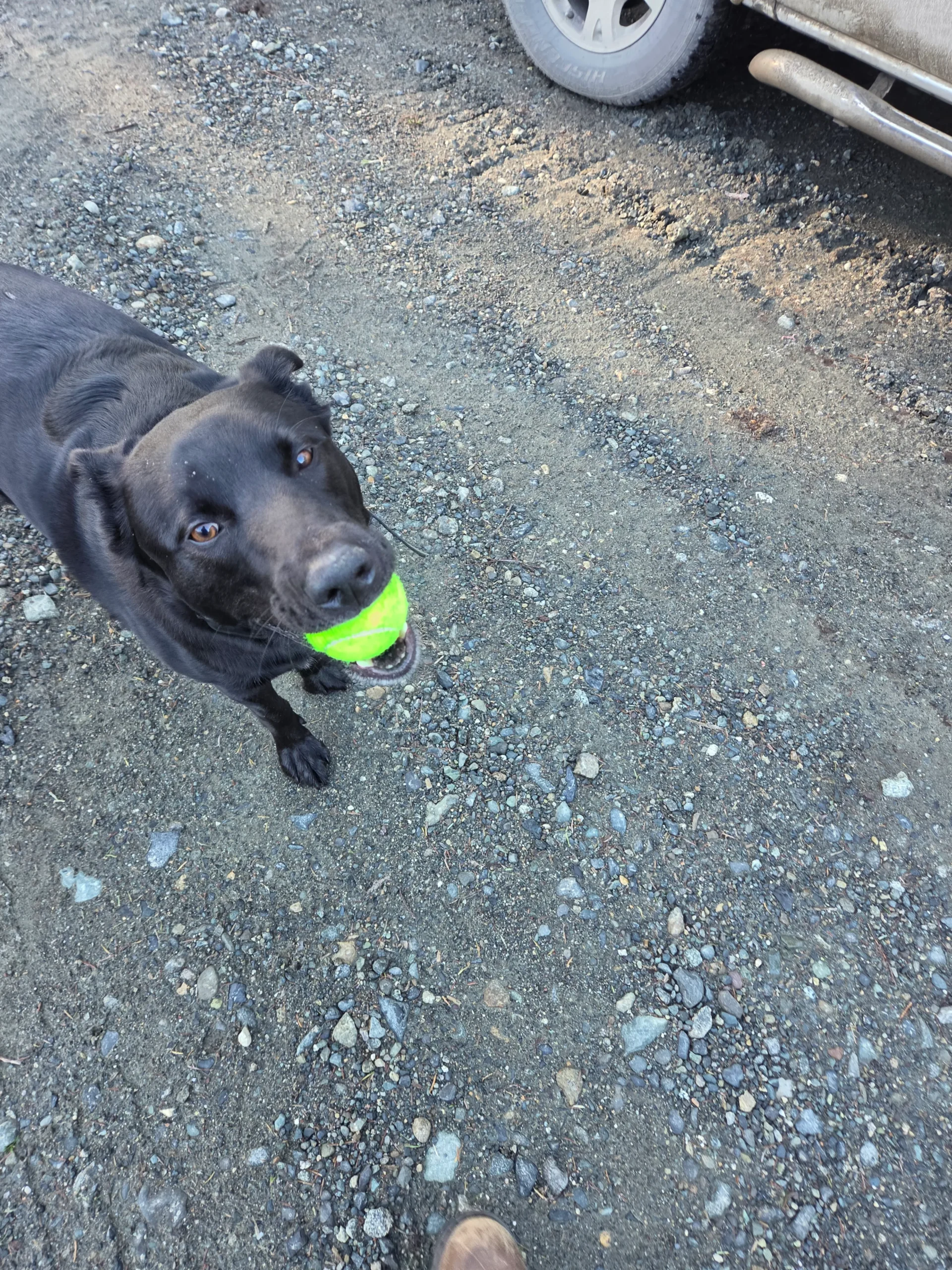





Good morning, friends! The coffee is flowing, and we’re embarking on another adventure — this time into the world of keeping our four-legged companions healthy and full of life. If you’re like me, your dog isn’t just a pet; they’re family, hiking buddies, and the ones who greet you with wagging tails after a long day. At Petracker.com, we’re all about making sure those adventures last as long as possible. That’s why having a solid health and medical plan is non-negotiable.
Taking responsibility for your dog’s well-being means staying on top of routine care, watching for signs of trouble, and making smart daily choices. Let’s break it down into actionable steps you can start today. Always consult your veterinarian for personalized advice — they’re your best partner in this journey.
Veterinary Care: Building a Strong Foundation
Just like us, dogs need regular check-ups to catch issues before they become big problems. Make it a habit to schedule an annual full physical exam. During these visits, your vet can spot things you might miss at home.
Routine Exams and Testing • Blood work annually or as suggested by your veterinarian to monitor internal health. • Annual fecal exam — a simple test that keeps internal parasites in check.
Vaccinations Stay current with key vaccinations to protect against serious diseases.
The essentials typically include:
- Rabies
- Distemper
- Parvovirus
- Adenovirus
- Bordetella
- Leptospirosis
- Canine influenza
Your vet can tailor this list based on your dog’s lifestyle, age, and location. Staying current keeps your pup protected and ready for whatever trails come their way.
Obesity and Diet/Nutrition: Fueling the Adventure Right
Extra pounds aren’t just about appearance — obesity strains your dog’s joints and can lead to a host of other problems. The solution starts with smart feeding habits.
- Practice portion control by measuring meals precisely every time instead of eyeballing it.
- Choose quality feed/formula specifically suited for your dog’s breed, age, and activity level.
- Avoid feeding treats excessively; they add up fast!
- Monitor your pet’s weight monthly to catch any gradual gains early.
For dogs dealing with vomiting, diarrhea, or a sensitive stomach, pay extra close attention and consider vet-recommended diets. Your active dog will thank you with more energy for those long walks!
Dental Care: Don’t Let Bad Breath Slow You Down
Dental issues creep up quietly but can cause serious pain and health complications. Brush your dog’s teeth daily if possible (or at least several times a week) with pet-safe toothpaste.
- Watch for these warning signs: Tartar buildup
- Gum infections
- Persistent bad breath
- Red gums
- Loose teeth
Dental chews can help between brushings, but always get your veterinarian’s advice first. Professional dental cleaning under vet direction might be needed periodically to keep that smile bright and healthy.
Allergies: Identifying and Managing Triggers
Many dogs face allergies, some breed-specific due to genetic predispositions. Stay vigilant for food allergies, skin allergies that show up as itching, hot spots, or infections, and environmental triggers like household chemicals.
Be extra careful in summer to avoid heat stroke, and supervise time at dog parks to minimize risks. Know the toxic exposures that can be deadly: chocolate, xylitol, grapes, and raisins. A little knowledge here prevents emergencies.
Parasites: Keeping the Creepers at Bay
Ticks, fleas, intestinal worms, and heartworms are more than annoying — they can cause real harm. Use vet-recommended preventatives year-round, especially if you love outdoor adventures in beautiful but bug-prone areas.
Joint Problems: Supporting Mobility for the Long Haul
Mobility issues can hit hard, particularly luxating patella, arthritis, or hip dysplasia. These conditions make movement painful and limit your dog’s joy in play and hikes.
Joint supplements can make a big difference, but always follow your veterinarian’s direction on what’s safe and effective for your specific dog.
Cancer Risks: Early Detection Saves Lives
Cancer doesn’t discriminate, but catching it early dramatically improves outcomes. Keep an eye out for sudden or unusual lumps and unexplained weight loss. Regular vet visits are your best defense.
Skin Care and Grooming: Daily Maintenance Matters
Grooming isn’t just for looks — it’s health maintenance. Clean your dog’s ears weekly or as needed to prevent infections. Regularly check their skin for parasites, infections, or hot spots.
In cold weather, watch for frostbite. Brush their hair daily or weekly depending on the coat, and trim hair around the eyes for better vision and comfort. Schedule regular professional grooming sessions to keep things under control.
Aging Concerns: Graceful Years with Your Companion
As dogs enter their golden years, new challenges appear: vision loss, hearing loss, balancing/walking problems, worsening joint issues, and cognitive decline. Adjust your routines — shorter but more frequent walks, ramps for access, and lots of patience and love. These senior years can still be incredibly rewarding.
Behavior and Emotional Well-Being: A Happy Mind Makes a Healthy Dog
Physical health goes hand-in-hand with mental health. Boredom, lack of stimulation, or lack of socialization can lead to all sorts of trouble.
- Common issues include:
- Phobias and fears (loud bangs, cars backfiring, fireworks, thunderstorms) Separation anxiety
- Excessive barking (territorial issues, boredom, stress)
- Aggression towards people or dogs
- Destructive behavior (digging, chewing shoes, ripping furniture, door scratching)
- House training regression (urine/fecal accidents)
Combat these with puzzle toys, plenty of exercise, training, and quality time. A mentally stimulated dog is a joy to live with.
Safety at Home: Creating a Secure Oasis
Your home should be a safe haven. Secure balconies and stairs, remove small chokable objects, and avoid exposing your dog to extreme temperatures. Prevent jumping from high objects by providing pet ramps or stairs where needed.
Wrapping Up the Adventure
There you have it — a complete roadmap for your dog’s health journey. By staying proactive with veterinary care, nutrition, grooming, and watching behavior, you’ll give your best friend the longest, happiest life possible. Track their activity, weight, and habits (tools like Petracker really shine here!), and never hesitate to reach out to your vet.
Own your decisions as a pet parent. Your dog counts on you, just as you count on them for those tail-wagging moments that make life grand.
What’s one change you’ll make this week for your pup’s health? Drop a comment or share your stories — I’d love to hear them. Until next time, keep exploring safely!