Guinea Pig as a Pet
Considerations before Commitment
A Guinea Pig can be a wonderful first pet for a child, but it works best when the parent/guardian fully understands that the adult will still be the primary caregiver.

- Important Realities to Consider
Guinea Pig as a Pet
Guinea Pigs are social, vocal, and entertaining Pet companions, but Guinea Pigs are far from “starter pets” or low-maintenance:
- Guinea pigs are not low-maintenance pets
- Guinea Pigs can live about 5–8 years, sometimes longer
- Guinea Pigs should ideally be kept in pairs, because Guinea Pigs are social animals and can become lonely when caged alone
- Young children should never handle Guinea Pigs without supervision because Guinea Pigs are fragile and can be injured easily if dropped
Guinea pigs are highly social and can suffer mentally or physically when housed alone – it is standard for purchases and rescues to only adopt them out in pairs.
- Cost Considerations
Guinea Pig as a Pet
Many families/parents/guardians underestimate the ongoing cost of Guinea Pig as a Pet:
Typical expenses include:
- Large cage or enclosure that is escape-proof
- Proper bedding
- Hay (daily essential)
- Fresh vegetables (daily essential)
- Pellets specifically for Guinea Pigs
- Veterinarian care, especially exotic-pet vets
The startup costs are often much higher than the pet Guinea Pig purchase itself.
- Housing Advice
Guinea Pig as a Pet
Avoid the tiny pet-store cages often marketed for guinea pigs.
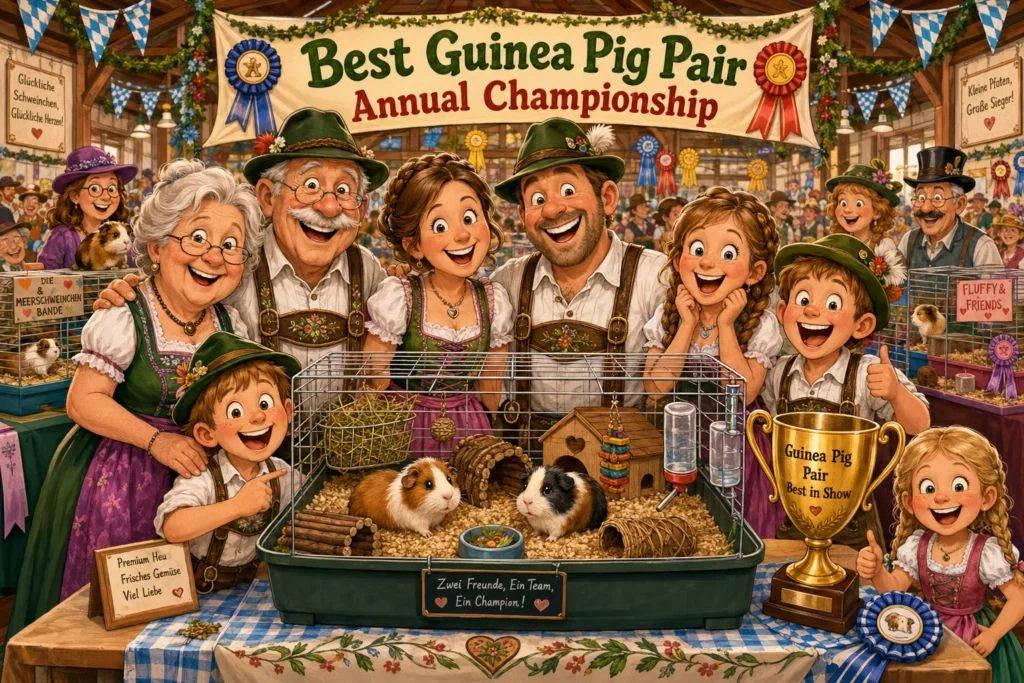
A good Guinea Pig setup includes:
- Large floor space
- Hiding areas
- Constant access to hay
- Water bottle
- Safe chew toys
Roomier cages offer many advantages:
- Adequate room to exercise means that your guinea pigs are less likely to develop medical conditions such as heart disease, diabetes, bumblefoot and anal impaction
- With a roomier enclosure, guinea pigs can exercise on their schedule
- Larger spaces are actually easier to clean because they prevent the build-up of waste and allow guinea pigs to separate their bathroom area from other activities
With the opportunity to express a wider range of natural behaviors, your guinea pigs will be happier and it will be easier to get to know their personalities.
Bedding is Important:
- Use bedding made from paper
- Provide 2 to 3 inches of bedding so absorption is maximized
Warning: For bedding, cedar and pine shavings are NOT recommended due to chemicals they both contain because – when soiled, these aromatic wood shavings can produce fumes that irritate a guinea pig’s respiratory system and feet,
- Diet is Extremely Important
Guinea Pig as a Pet
Guinea pigs need:
- Unlimited hay – Hay (Unlimited – ~75 to 80%): grass hays like Timothy or Orchard grass must be available 24/7 – this provides essential fiber for digestion and wears down their continuously growing teeth
- Daily fresh vegetables – should be fresh, rinsed, and given in moderation – leafy greens or a small piece of bell pepper
- Vitamin C (they cannot make their own)
- Pellets (1 to 2 tablespoons daily)– stick to plain, timothy-based pellets – avoid seed or nut mixes, which are too high in fat and can lead to selective feeding or choking hazards
Without proper nutrition, your Pet Guinea Pig can become sick quickly.
- Water Requirements
Guinea Pig as a Pet
Guinea Pig water needs:
- Ensure a constant supply of fresh, clean water
- Water is typically offered in a sipper bottle
- Wash the water bottle and change the water daily
For comprehensive feeding guidelines, consult a local Small Animal Veterinarian.
- Considerations for Kids and Neighbours
Guinea Pig as a Pet
Pet Guinea Pigs are not cuddly “Starter Pets”:
- Because Guinea Pigs are prey animals
- Guinea Pigs can be skittish
- Guinea Pigs generally do not enjoy being picked up or held
- Guinea Pigs are fragile and easily injured, meaning they require adult supervision around children
Guinea Pigs are High-Volume Poop-ers:
- Guinea pigs produce a surprising amount of waste
- Guinea Pigs need daily spot-cleaning to keep their enclosure sanitary
Guinea Pigs are noisy:
- Guinea Pigs are awake and active up to 20 hours a day
- Guinea Pigs will loudly “wheek” (squeak) when they anticipate food or hear a rustling plastic bag
Before committing to purchasing a Guinea Pig as a pet, you should ensure you have an exotic animal Veterinarian in your area, as standard dog and cat vets typically do not treat Guinea Pigs.
- Best Age for a Child
Guinea Pig as a Pet
Guinea pigs are usually better for children around:
- 5+ years old for supervised interaction
- 8+ years old for helping with care tasks
Toddlers often enjoy watching them more than handling them.
- Adoption vs pet store
Guinea Pig as a Pet
Consider adopting from:
- Local rescues
- Humane societies
- Small-animal rescue organizations
Many healthy Guinea Pigs need homes, and rescue staff can help match the right temperament of Guinea Pig to your family.
Your Pet Guinea Pigs will give You
Unconditional Love
Your Emergency Photos/Video
You Instantly Released on
PeTrackers.com
Made Finding your Lost Pet Guinea Pigs
Quicker and Easier to Find
And Happily Return to You!