

Monkey as a Pet
Considerations before Commitment
Getting a pet monkey is often portrayed as cute or “manageable,” but in real-world terms it’s closer to taking on a wild animal – with the needs of a very intelligent, very demanding young child – that can live 20–40 years and never truly domesticate.
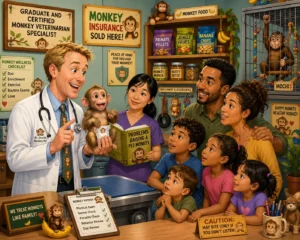
- Pet Monkey Ownership
Real ownership Costs
Very Expensive
A pet Monkey is not a one-time purchase – it’s ongoing institutional-level daily care:
- Specialized diet (fresh produce, formulated primate food, enrichment feeding)
- Enclosure construction that is escape-proof and enrichment-heavy (often thousands to tens of thousands upfront)
- Exotic animal veterinary care (ra
- re, expensive, and often travel-required)
- Emergency care (monkeys can injure themselves or others quickly)
- Lifelong care commitment (decades)
A conservative estimate over time often exceeds $10,000–$30,000+ per year, and that can climb significantly with any medical issues or necessary housing upgrades.
- Safety and household Impact
Pet Monkey
Even small/baby monkeys can:
- Bite severely (they have strength disproportionate to size)
- Carry zoonotic diseases (transmissible infections)
- Become territorial around food, toys, or caregivers
- Damage property routinely
This is especially relevant in homes with children, where unpredictable behavior becomes a safety concern.
- Pet Monkey
Time and Supervision Demands
Monkeys are extremely social, intelligent, and prone to stress-related behaviors if bored or isolated. That leads to:
- Constant attention-seeking and destructive behavior if ignored
- Separation anxiety when the caregiver is at work or busy with children
- Risk of biting or aggression during adolescence or stress periods
- Need for daily environmental enrichment (not optional)
For parents, this creates a conflict: children also need attention, and monkeys do not adapt well to being “second priority” for long periods.
- Legal Pet Monkey Regulations
And Practical Barriers
Many primate species are restricted or outright illegal to keep privately.
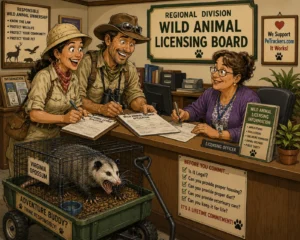
- Extensive licensing for ownership
- Insurance and Liability
- Municipal inspections on facilities
- Mandatory Veterinarian check-ups for permits may be annual
Monkey ownership must comply with all national, local and municipal regulations.
- Practical Monkey Ownership
Barriers To Consider
Monkeys have a long lifespan:
- Baby monkeys become big monkeys
- Monkeys aged 3-5 are incredibly strong, unpredictable and territorially aggressive
- Finding a licenced Veterinarian specializing in non-human primates is incredibly difficult – an expensive
- Monkeys have enrichment needs – large indoor and outdoor ranges – avoids boredom and depression
- Monkeys are difficult to house-break – monkeys will throw feces/poo
Monkeys are very expensive to keep as pets.
- Pet Monkey Ownership
Ethical Considerations
Most primates experience chronic stress in private ownership because:
- They require complex social groups
- They struggle without species-specific interaction
- Human households rarely meet their cognitive and emotional needs
This often leads to lifelong behavioural issues, even with good intentions.
In reality, a pet monkey is not a realistic nor safe companion animal choice. The legal restrictions, financial burden, and daily care demands are closer to running a small exotic animal facility than keeping a pet.
Your Pet Monkey will give You
Activity and Friendship
Your Emergency Photos/Video on
PeTrackers.com
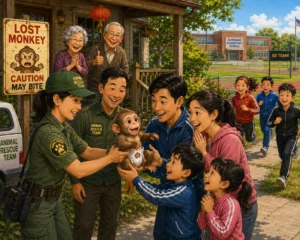
Made finding your Lost Monkey
Quicker and Easier to Find
And Happily Return to You!