
Shetland Pony as a Pet
On a Hobbie Farm
Considerations before Commitment
Shetland ponies make incredible, hardy, and highly interactive Pet additions to a hobby farm, however Shetland Ponies require expert adult management to prevent dangerous behavioural issues and life-threatening health conditions.
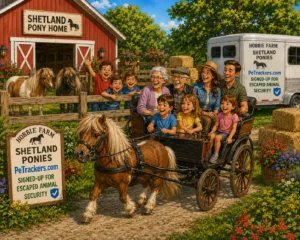
- Hobby Farm Management
Shetland Pony Dietary Vulnerability
Shetland ponies evolved to survive on the sparse, harsh vegetation of the Scottish islands – in a lush, rich hobby farm pasture – Shetland Ponies efficient metabolism is actually their greatest health hazard.
- Strict grass limitations:
- Allowing a Shetland free access to rich spring or summer grass
- May/cancan cause obesity
- And laminitis (founder) – a painful and potentially fatal hoof condition
- Dry lot setups:
- You must have a dedicated “dry lot” – a paddock completely free of grass
- Surfaced with gravel, sand, or dirt)
- Where the Shetland Pony can live
- While eating weighed amounts of low-sugar hay
- Co-grazing challenges:
- You cannot easily pasture a Shetland Pony with standard livestock or large horses
- Only if the pasture is optimized for cattle or large horses
- Or – it will quickly overfeed and founder a Shetland Pony
- Social Structure and Infrastructure
Shetland Pony as a Pet
- Shetland Pony Companion requirements:
- Ponies are herd animals
- Shetland Ponies cannot be kept completely alone
- Shetland Pony loneliness creates severe emotional stress
- Shetland-proof fencing:
- These little equines Shetland Ponies are notorious escape artists
- Standard three-rail horse fencing or wide cattle fencing is easy for Shetland Ponies to crawl under or squeeze through
- Ensure you have tight, low-set mesh fencing or a hot-wire (electric) strand placed at Shetland Pony chest height
- Child-friendly gear:
- Ensure you purchase a proper Shetland Pony saddle equipped with a safety handle and breakaway stirrups
- This will prevent a child from getting dragged if they lose their balance
Do not mistake a small size for an easy animal. Shetlands require the exact same—if not more—consistent training as a full-sized horse.
- Cost and Commitment Checklist
Shetland Pony as a Pet
Before committing – evaluate the ongoing annual maintenance needs – which generally cost just as much as caring for a large horse.
- Hoof Care for your pet Shetland Pony:
- Every 6 to 8 weeks – a professional farrier/horse-shoer must trim your pet Shetland Ponies hooves
- Trimming your Shetland Pony’s hooves maintains a structural soundness
- Dental Care for your pet Shetland Pony:
- At least once a year
- A Specialist Equine Veterinarian needs to check
- And float (file down) for your pet Shetland Pony’s teeth
- This is to prevent sharp points
- Size Limitations for your pet Shetland Pony – be fully aware:
- Keep in mind that children quickly outgrow a standard Shetland (which usually stands under 10.2 hands high)
- Adults cannot ride a Shetland Pony to tune up their training
- Hence – any riding instruction must be driven standing on the ground
While their small size makes them visually less intimidating to young kids, they are incredibly strong, highly intelligent, and famously stubborn.
- Important Considerations for the Parents
Shetland Pony as a Pet
- Shetland Ponies Are Not Toys:
- Even a small pony can weigh 200–450 kg (450–1,000 lbs)
- A frightened or poorly trained Shetland Pony can kick, bite, or knock over a child
- Shetland Pony Training Is Essential:
- Many people assume small ponies are easier than horses
- In reality – Shetland Ponies are very intelligent
- Shetland Ponies may/can become stubborn if not consistently trained
- Shetland on Daily Care Requirements:
The family of a Shetland Pony should at minimum expect:
- Daily feeding and fresh water
- Regular manure cleanup
- Hoof trimming every 6–8 weeks
- Veterinary care and vaccinations
- Shelter from severe weather
- Safe fencing and pasture maintenance
- Cost to Maintain
Shetland Pony as a Pet
Annual expenses can include:
- Feed and hay
- Veterinary visits expensive
- Farrier/horse shoeing services
- Tack and grooming equipment
- Insurance
- Fencing and facility maintenance
- Shetland Pony Appeal
Shetland Pony
Advantages of a Shetland Pony as a pet:
- Shetland Pony small size makes them less intimidating for young children.
- Shetland Ponies are hardy and generally healthy when properly cared for
- Shetland Ponies are intelligent and long-lived – often living 25–30 years or more
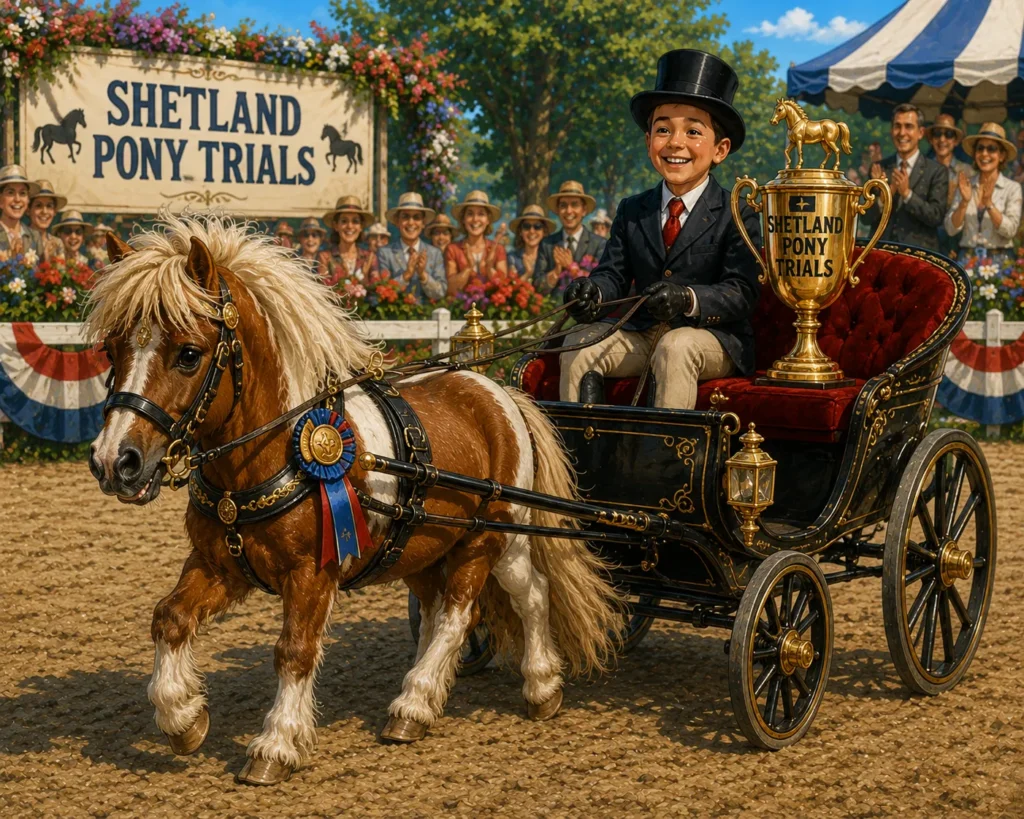
- Shetland Pony can be trained for riding – driving carts – and tackling obstacle activities
- Shetland Ponies usually require less feed than larger horses
- A Shetland Pony is an excellent introduction to horse ownership for families
- Advice for a Child/Children
Shetland Pony as a Pet
Excited children should understand:
- A Shetland Pony needs care every day – even when it’s raining
- Grooming, cleaning, and feeding are part of Shetland Pony ownership
- Learning Shetland Pony/Horse safety is as important as riding ability
- Patience and kindness create the best Shetland Pony-Human relationship
A Shetland pony can be a wonderful addition to a hobby farm, but it is important for a family to understand both the benefits and responsibilities before bringing one home.
Your Emergency Photos/Video on
PeTrackers.com
Made it Easier to Find
And Quicker to Reunite
Your lost Pet Shetland Pony
To You Safely