


Calf Training and Preparation
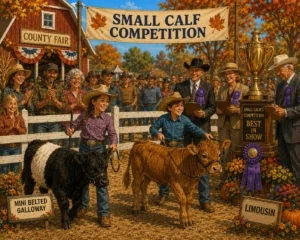
Entering a Fall Fair Competition
Raising a calf as a pet and training it for competition shows is an incredibly rewarding, hands-on experience. It requires months of dedicated, daily commitment to halter breaking, grooming, and teaching the animal how to stand and walk gracefully in the show ring.
- The Basic Getting Started
Showing your pet Calf
- Select the Right Calf for Showing:
- Look for quality indicators like width of chest
- Look for quality indicators like good rib shape
- Look for quality indicators like a solid skeletal structure
Popular beef breeds include Angus, Hereford, and Charolais. [1, 2]
- Local Programs for Calf Showing:
- Connect with your local 4-H chapter
- Your local 4-H chapter provides an excellent structured environment for youth
- Your local 4-H chapter will help you learn about livestock
- Your local 4-H chapter will help you learn about livestock care
- Your local 4-H chapter will help you learn about livestock showing
- Your local 4-H chapter will help you learn about livestock judging
- Handle your pet Calf Daily:
- Because cows can recognize familiar human faces
- Because cows can recognize familiar human voices
- Interacting with your calf every day – brushing
- Interacting with your calf every day – petting
- Interacting with your calf every day – gaining their trust – is the most critical step to prevent your pet Calf from being scared during a Show
You must know how to properly use a show stick to get your Calf accustomed to being touched, scratching their belly, and relaxing.
- Halter Training and Leading
Showing your pet Calf
- Tie Training your pet Calf:
- Tie your calf securely for periods
- To get your pet Calf accustomed to standing still
- To get your pet Calf accustomed and being handled
- Avoid Lunging your pet Calf:
- When learning to lead
- Continuous pulling teaches the calf
- To jump or lunge forward to escape pressure
- It is best to apply gentle pressure
- It is best to have someone follow behind the calf initially
- Build Endurance your pet Calf:
- Depending on the event
- You may be in the ring for 10 minutes to an hour
- Build your calf’s endurance by gradually increasing how long you spend walking and leading them 6 to 8 weeks out from the show
If you are dealing with a resistant or jumping calf during the leading phase:
- Washing, Clipping, and Grooming
Showing your pet Calf
Washing your Calf for the Show:
- Calves are washed
- Calves are groomed frequently
- To make your pet Calf look their best in the ring
- Clipping your Calf for the Show::
- For beef breeds or dairy heifers
- Clipping is done by blowing the hair upwards to facilitate a straight, even trim
- This enhances the animal’s natural frame
Whether your pet Calf brings home a winning ribbon or not – being a responsible and caring exhibitor is something to be proud of while showing your pet Calf.
- Before the Fair
Showing your pet Calf
Spend time with your Miniature every day:
- Gentle handling helps your animal become calm
- Gentle handling helps your animal become trusting
- Teach your Calf to lead quietly with a halter
- Practice walking, stopping, turning, and standing still
- Brush your animal regularly to keep its coat clean and healthy
- Make sure your Calf receives proper feed
- Make sure your Calf receives proper clean water
- Make sure your Calf receives proper shelter
- Make sure your Calf receives proper Veterinary Care
Learn about your animal’s breed, age, feeding program, and special characteristics. Judges often appreciate knowledgeable exhibitors.
- Grooming and Preparation
Showing your pet Calf
Bathe and groom your Calf before the competition
- Clean the hooves
- Check that the halter fits properly
- Trim long hair only if local fair rules allow it
Pack a show box with brushes, a water bucket, feed, a show halter, cleaning supplies, and any paperwork required by the fair.
- In the Show Ring
Showing your pet Calf
- Dress neatly according to the Fair rules
- Clean jeans, boots, and a collared shirt are often appropriate
- Walk confidently
- Keep your eyes on the judge
- Stay calm
- Your Calf will often respond to your attitude
- Keep a safe distance from other animals
- Position your Calf so the judge can clearly see your pet Calf
- Practice setting up the feet neatly
Listen carefully to instructions from ring officials and judges.
- Good Sportsmanship
Showing your pet Calf
- Be friendly to other exhibitors
- Congratulate the winners
- Thank the judge(s)
Remember that learning and having fun are just as important as winning a ribbon.
7.What Judges Often Look For
Showing your pet Calf
- The health and condition of the Miniature Calf
- Cleanliness and grooming
- How well the animal is trained and behaved
- The exhibitor’s ability to safely and confidently handle the animal
Knowledge of animal care and husbandry is most important.
- Safety First
Showing your pet Calf
- Never wrap the lead rope around your hand
- Stay alert around all cattle – even gentle ones
- Ask an adult for help if your Calf becomes nervous or excited
- Make sure your animal has plenty of water – especially on hot fair days
- Most importantly – enjoy the experience
Most importantly, enjoy the experience work you’ve put into raising your Miniature Calf for a Fall Fair Show.
Your Emergency Photos/Video on
PeTrackers.com
Made it Easier to Find
And Quicker to Reunite
Your lost Pet Calf
To You Safely