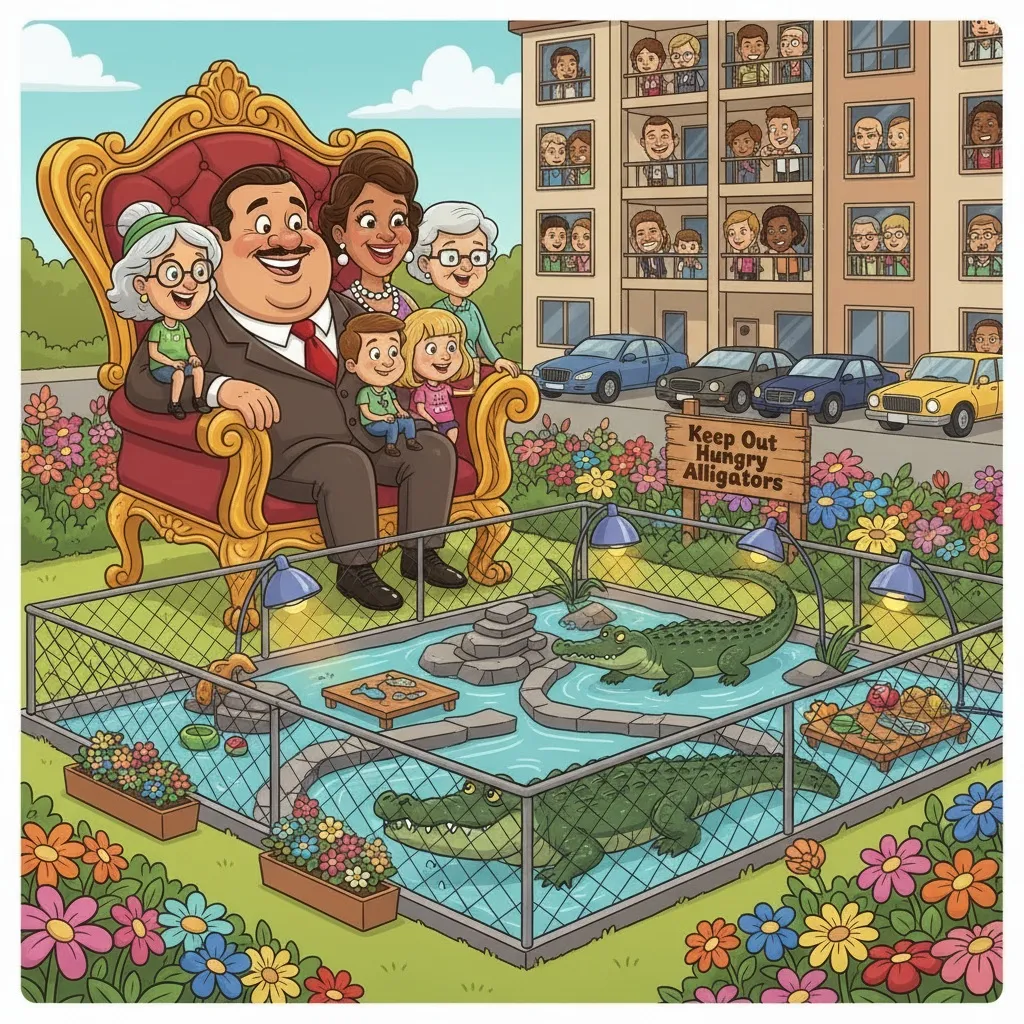
Alligator or Crocodile as a Pet
Are Not Domesticated Animals
Keeping an alligator or crocodile as a pet is usually a very poor choice for private owners.
1.Housing Requirements
A proper alligator/crocodile enclosure is far beyond a normal aquarium or backyard pond. Alligator/crocodiles require:
- Large heated water areas
- Powerful filtration systems
- Secure fencing and escape-proof barriers
- Controlled temperature and humidity
- Separate basking zones with heat lamps
- Space to swim and turn comfortably
Building and maintaining suitable alligator/crocodile housing can cost multiple thousands of dollars.
- Feeding and Care
Feeding large alligator/crocodile is dangerous and usually involves:
- Feeding tools
- Strict handling procedures
- Safety barriers
- Knowledge of reptile health and behaviour
Alligator/crocodiles require whole-prey diets and careful nutrition.
- Alligator/Crocodile Safety Risks
Consider Insurance Costs
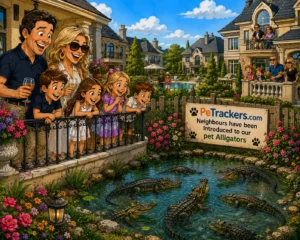
Having alligator/crocodile in the back garden creates an escape problem:
- Even young alligator/crocodile can deliver severe bites
- Adult alligator/crocodiles are extremely strong, territorial, and unpredictable
- Injuries to owners, visitors, children, and other pets can happen very quickly
- Many alligator/crocodile species can exceed 10–15 feet long and weigh hundreds of pounds
Finding an alligator/crocodile insurer and coverage costs can be a problem.
- Lifespan and Commitment
Alligator/Crocodile
A small alligator/crocodile hatchling may eventually become a huge animal requiring:
- Constant specialized care
- Large quantities of food
- Veterinary access from exotic reptile specialists
- Long-term planning if the owner moves, becomes ill, or loses interest
Many alligator/crocodiles live 40–70 years or longer.
- Animal Welfare Concerns
Alligator/Crocodile
A common problem is that people buy a cute baby Alligator/Crocodile
without realizing how quickly it grows. Many alligator/crocodiles end up:
- Neglected
- Confined in undersized enclosures
- Abandoned
- Surrendered to rescues that are already overcrowded
These animals belong in professional alligator/crocodile facilities with trained staff.
- Legal Issues
Alligator/Crocodile
Alligator/Crocodile ownership laws vary widely by region. In many places:
- Alligator/Crocodile permits are required
- Certain alligator/crocodile species are banned
- Inspections may be mandatory for alligator/crocodile facilities
- Insurance for alligator/crocodile ownership may be necessary
- Illegal alligator/crocodile ownership can lead to confiscation and fines
In places in the world, alligator/crocodiles are heavily restricted or legally prohibited.
- Better Ownership Alternatives
Alligator/Crocodile
If someone loves reptiles/alligator/crocodile but wants a more manageable pet, safer choices include:
- Leopard Gecko
- Bearded Dragon
- Corn Snake
- Blue-Tongued Skink
These reptiles are easier to house, safer to handle, and more appropriate for most keepers.
- A Good Rule
Alligator/Crocodile
If a person is not prepared to:
- build a alligator/crocodile zoo-quality enclosure,
- spend substantial money yearly,
- manage serious alligator/crocodile danger,
- and alligator/crocodile commit for decades,
For most people, enjoying alligator/crocodiles through wildlife parks, documentaries, or responsible reptile/alligator/crocodile education programs is the better option.