


Predatory/Raptor Birds
Buzzards Hawks Falcons Eagles
Are Not Domesticated Pets
Buzzards, hawks, falcons and eagles have never been domesticated by the average human over time.
- Predatory/Raptor Birds
Instinctively Individual
Predatory birds’ instincts are for self-survival:
- Predatory Birds hunt live prey
- Predatory Birds are territorial and will aggressively attack interlopers
- Predatory Birds instinctively avoid capture
- Stressed Predatory Birds react aggressively
Even a hand-raised predator can suddenly seriously injure its regular handler with beak and/or talons.
- Predatory/Raptor Birds are Dangerous
Beaks and Talons
These large predators can seriously injury a person’s eyes, face and hands as their feet are designed to:
- Grip a prey firmly to prevent escape
- Talons are designed to puncture flesh for grip
- A predator’s feet are made to kill small animals
- A predator’s beak is designed to dig in and rip flesh for eating
Professional falcon handlers wear thick protective gloves for a reason.
- Specialized Raptor Veterinarian is Required
Expensive and Difficult to Find
Exotic bird specialists are required for Veterinary care:
- Specialist Veterinarian care is difficult to find
- Specialist Veterinarian care is very expensive
- Emergency services may involve distance travel
Without proper care for a predator can lead to fatal illnesses very quickly.
- Predators/Raptors Require
Enormous Space for Exercising
Predators are created for long flights – keeping a predator caged/housed cause:
- Muscle wasting
- Stress on their body
- Feathers will become damaged
- Psychological stress will cause aggression
A captive predator requires a very flight ready enclosure/outdoors aviary including specialized equipment.
- Predator’s/Raptors Diet is Difficult
Many Owners Find the Required Diet Unpleasant
Pet food will not keep a predator healthy. Predators require:
- Whole prey animals
- A carefully balanced diet like in the wild
- Proper nutrients found in a prey’s bones, organs and fur/feathers
For owners this involves handling frozen mice, rats, rabbits and chicks.
- Predator’s Stress
Predators are very sensitive to:
- Noises
- Crowds
- All household pets
- Handling is difficult and stressful
- Unfamiliar people case stress
Signs of stress include feather-plucking, self-injury and refusal to eat.
- Predators/Raptors are Not
Affectionate Companion Pets
Reality is:
- Predators/Raptors will tolerate handling by a known handler
- Predators/Raptor bonding is strictly about food/feeding
Rember predators/raptors are unpredictable.
- Strict Legal Restrictions
Predator/Raptor Ownership
Legal restrictions in most countries include:
- Local/national permits
- Veterinarian/municipal inspections
- Falconry licences
- Proper facilities for the predator/raptor’s enrichment
Note: capturing wild birds illegally leads to fine and potential criminal charges.
- Ethical and Conservation Concerns
Predator/Raptor Confinement
Removing a predator/raptor removal from an environment cause:
- Proliferation of rodents
- Proliferation of rabbits
- Other prey move into the area
Humans should not interfere in a natural environment.
- Positive Predator/Raptor Experiences
Admirers should consider:
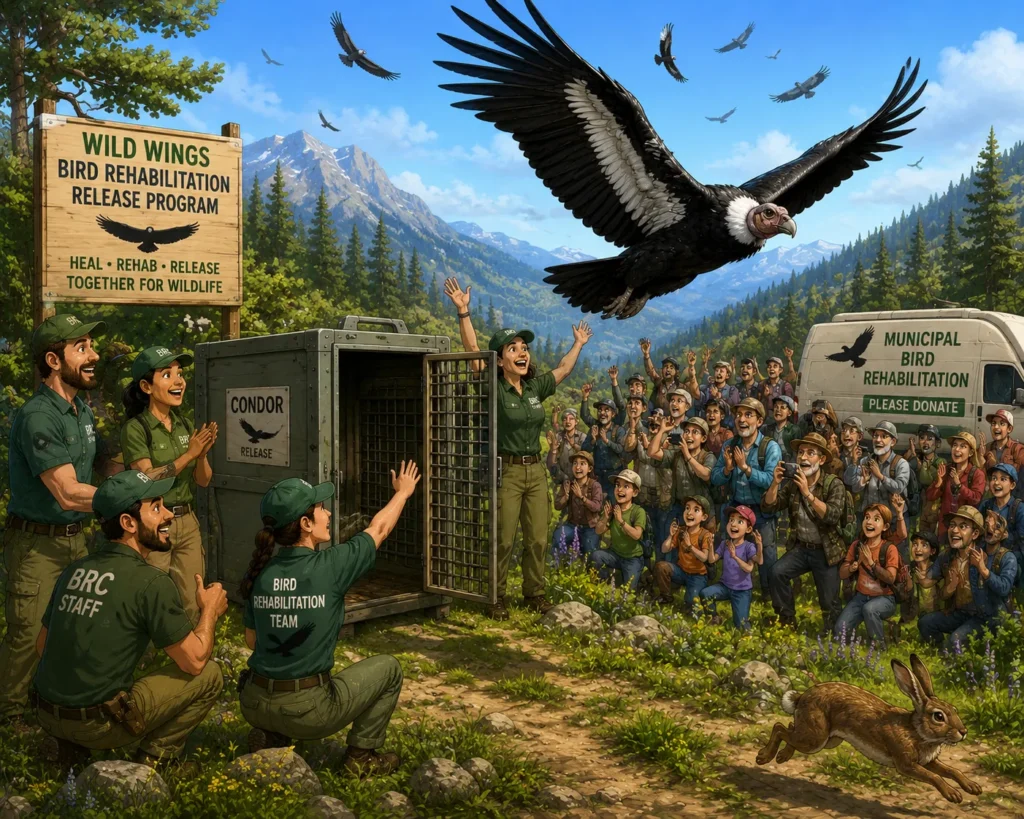
- Visiting a wildlife rehabilitation centre
- Volunteering with a conservation group
- Joining a bird-watching group
- Keeping domesticated birds properly
- Learning falconry through properly licensed organization
Predatory/raptor ownership takes a certain kind of person with interest, time and finances.
Your Emergency Photos/Video on
PeTrackers.com
Made finding your Lost Predator/Raptor
Quicker and Easier to Find
And Happily Returned to You